


8 Summer Oral Health Tips to Keep Your Teeth Healthy
Summer is a time for fun, vacations, and enjoying your favourite treats. But while you relax, your oral health should not take a break. In fact, summer habits like consuming sugary foods, cold drinks, and engaging in outdoor activities can increase the risk of cavities, tooth sensitivity, bad breath, and gum issues.
The combination of dehydration, irregular routines, and frequent snacking can silently affect your dental health. That’s why maintaining proper oral hygiene during summer is essential to keep your smile healthy, fresh, and bright.
Here are 8 effective summer oral health tips to keep your teeth in top condition.
1. Maintain Your Daily Oral Hygiene Routine
During holidays or travel, people often skip brushing or flossing, which leads to plaque build-up and bacterial growth. This can cause cavities, bad breath, and gum problems over time.
✔ Tip:
Brush your teeth twice a day using fluoride toothpaste and floss daily to remove hidden food particles. Adding a mouthwash to your routine helps kill bacteria and keeps your breath fresh. Even while traveling, carry your dental essentials and maintain consistency.
2. Limit Sugary Foods and Drinks
Summer is filled with tempting treats like ice creams, soft drinks, chocolates, and desserts. These sugary items feed harmful bacteria in the mouth, producing acids that damage enamel and lead to tooth decay.
✔ Tip:
Reduce the frequency of sugary snacks and try to consume them during meals instead of frequent snacking. Rinse your mouth with water after consuming sweets to minimize acid attack on your teeth.
3. Stay Hydrated
Dehydration is common in summer and can reduce saliva production. Saliva plays a key role in protecting your teeth by washing away food particles and neutralizing acids.
✔ Tip:
Drink plenty of water throughout the day to maintain saliva flow and keep your mouth clean. Staying hydrated also helps prevent dry mouth, which can lead to bad breath and increased risk of cavities.
4. Use a Mouthguard During Sports
Outdoor activities and sports are more common in summer, increasing the risk of accidental dental injuries such as chipped or broken teeth.
✔ Tip:
Wear a mouthguard while playing contact sports like cricket, football, or basketball. It acts as a protective shield and reduces the risk of serious dental damage.
5. Protect Your Lips from Sun Damage
Your lips are sensitive and can easily get affected by sun exposure, leading to dryness, cracks, and even infections if not cared for properly.
✔ Tip:
Use a lip balm with SPF and reapply it regularly, especially when outdoors. Keeping your lips moisturized also improves overall oral comfort.
6. Avoid Chewing Ice
Chewing ice may feel refreshing in hot weather, but it can be harmful to your teeth. The hard texture can create small cracks in enamel, which may lead to sensitivity or fractures.
✔ Tip:
Avoid the habit of chewing ice and opt for chilled beverages instead. Protecting your enamel helps maintain long-term dental strength.
7. Use Straws for Acidic Drinks
Beverages like sodas, iced coffee, and fruit juices contain acids that can erode enamel and weaken your teeth over time.
✔ Tip:
Using a straw reduces direct contact of these drinks with your teeth, lowering the risk of enamel erosion and sensitivity.
8. Schedule a Dental Checkup
Many dental problems start silently and become noticeable only when they are severe. Regular checkups help in early detection and prevention.
✔ Tip:
Visit your dentist for a routine dental check-up and cleaning. Professional cleaning removes plaque and tartar build-up that cannot be removed by brushing alone.
Professional Dental Care in Hyderabad
Taking care of your teeth at home is important, but professional care ensures long-term oral health.
At Megadent Advanced Dental Care, Kondapur, Hyderabad, we offer comprehensive dental treatments including routine check-ups, teeth cleaning, cavity treatment, and advanced dental care solutions. Our expert team ensures personalized care to keep your smile healthy and confident.
Final Thoughts
Summer is meant to be enjoyed, but neglecting oral health during this time can lead to long-term dental issues. Simple habits like proper brushing, limiting sugar intake, staying hydrated, and protecting your teeth can make a big difference.
Consistency is the key to maintaining a healthy smile. Even small daily efforts can prevent major dental problems in the future.
For complete and expert dental care, you can visit Megadent Advanced Dental Care, Kondapur, Hyderabad, where advanced treatments and personalized care help you maintain strong, healthy, and confident smiles.
Take care of your teeth today – and enjoy a bright, worry-free smile all summer long!
Frequently Asked Questions (FAQs)
1. Why are dental problems more common in summer?
Due to increased sugar intake, dehydration, and irregular routines, which promote bacterial growth and cavities.
2. How often should I brush my teeth in summer?
At least twice a day, along with daily flossing.
3. Can cold drinks damage teeth?
Yes, acidic drinks can weaken enamel and increase tooth sensitivity.
4. Is chewing ice harmful?
Yes, it can cause cracks and damage tooth enamel.
5. How does water help oral health?
Water cleans the mouth and maintains saliva, which protects teeth.
6. Are dental check-up’s necessary even without pain?
Yes, regular check-up’s help detect problems early.
7. What foods are best for healthy teeth?
Calcium-rich and vitamin-rich foods like milk, fruits, vegetables, and nuts.
8. When should I see a dentist?
If you have pain, bleeding gums, sensitivity, or bad breath.

Protect Your Teeth This Summer: Simple Tips for a Healthy Smile
Common Summer Dental Problems
1. Tooth Sensitivity from Cold Treats
Kids, adults, and seniors alike love ice cream, popsicles, and chilled beverages during summer. However, frequent consumption of these cold treats can lead to tooth sensitivity, especially in people with worn enamel or exposed roots. Chewing ice or hard frozen treats can even result in chipped or broken teeth.
Tips to prevent sensitivity:
- Avoid chewing ice cubes.
- Use toothpaste specifically designed for sensitive teeth.
- Rinse your mouth with water after consuming cold items.
2. “Summer Tooth” Decay
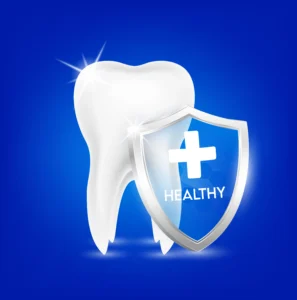
A growing concern among dentists is “summer tooth” decay, caused by frequent sipping on sugary or acidic drinks like lemonade, soda, iced coffee, and cocktails. Constant exposure to sugar and acid prevents saliva from neutralizing harmful acids, leading to rapid enamel erosion and cavities.
Children are particularly at risk because of frequent snacking, while adults often overlook the effects of acidic fruits like oranges, berries, and melons. Older adults may experience faster enamel wear, increasing the risk of decay.
 Prevention tips:
- Limit sugary drinks and acidic foods.
- Drink water between meals.
- Use a straw for acidic drinks to reduce contact with teeth.
3. Dry Mouth and Bad Breath
Hot weather can lead to dehydration, which reduces saliva production. Saliva is crucial for washing away food particles, neutralizing acids, and preventing cavities. Reduced saliva can cause dry mouth, bad breath, and higher cavity risk, especially in older adults or those on certain medications.
How to stay hydrated:
- Drink at least 8 glasses of water daily.
- Chew sugar-free gum to stimulate saliva.
- Avoid alcohol and caffeine, which can further dehydrate.
4. Dental Injuries During Summer Sports
Summer is a time for outdoor activities, especially for children and teens. Sports like soccer, swimming, cycling, and even skateboarding can lead to dental injuries, including chipped or knocked-out teeth.
Protective measures:
- Always wear a properly fitted mouthguard during sports.
- Supervise younger children during active play.
- Schedule regular dental check-ups to monitor oral health.
Trending Summer Dental Care Tips
Stay Hydrated
Drinking plenty of water is one of the simplest yet most effective ways to maintain oral health in summer. It helps wash away acids and sugars, reduces dry mouth, and keeps your teeth healthy.
Smart Snacking
Swap sugary snacks with healthier alternatives:
- Sugar-free popsicles
- Watermelon and other juicy fruits
- Crunchy vegetables like carrots and cucumbers
These act as natural toothbrushes, helping clean teeth while satisfying your cravings.
Pre-Vacation Dental Check-Ups
Before heading out on summer vacations, schedule a dental visit. Preventive check-ups help avoid dental emergencies while traveling and ensure your teeth remain healthy during summer activities.
Avoid DIY Whitening Trends
Social media is full of DIY whitening hacks, such as using baking soda or lemon juice. Dentists strongly advise against these, as they damage enamel and increase sensitivity. Always opt for professional whitening treatments.
Protect Your Lips
Many people forget that UV rays can affect the lips and oral tissues, potentially increasing the risk of oral cancers. Using a lip balm with SPF is a simple but effective preventive step.
Water Flossers for On-the-Go Cleaning
Portable water flossers have become increasingly popular, especially for travelers. They provide convenient and effective oral hygiene, particularly when brushing isn’t immediately possible.
Summer Dental Care for All Ages
Kids
- Limit sugary snacks and drinks.
- Encourage drinking water frequently.
- Ensure proper brushing and flossing.
- Use mouthguards during sports.
- Schedule regular check-ups, especially before summer holidays.
Adults
- Avoid constant sipping of sugary or acidic drinks.
- Stay hydrated throughout the day.
- Use fluoride toothpaste to protect enamel.
- Get professional advice for cosmetic or whitening treatments.
Older Adults
- Monitor for tooth sensitivity and enamel erosion.
- Avoid chewing ice or hard frozen treats.
- Maintain hydration to prevent dry mouth.
- Regular dental visits are critical for maintaining oral health and preventing decay.
Summer Dental Care Products to Consider
- Fluoridated toothpaste and mouthwash to strengthen enamel.
- Sugar-free popsicles and snacks for healthier alternatives.
- Mouthguards for children and adults engaging in sports.
Lip sunscreen to protect oral tissues.
Conclusion
Summer doesn’t have to mean compromising your dental health. With proper hydration, mindful snacking, protective measures during sports, and professional dental care, your teeth can stay healthy, strong, and radiant all season long.
For professional guidance and advanced dental care, Megadent Advanced Dental Care is the trusted dental clinic in Kondapur, Hyderabad. Our team offers comprehensive treatments, from routine check-ups and cleaning to advanced cosmetic and restorative procedures, ensuring your smile remains healthy, bright, and confident.
FAQs About Summer Dental Care
-
Can eating ice cream damage my teeth?
Ice cream itself isn’t harmful, but frequent consumption of cold, sugary treats can lead to tooth sensitivity and cavities. Avoid chewing ice and rinse your mouth with water afterward.
-
How can I prevent “summer tooth” decay?
Limit sugary and acidic drinks, use a straw when possible, maintain proper brushing and flossing routines, and stay hydrated to keep saliva levels normal.
-
Are children more at risk for dental problems in summer?
Yes. Kids often consume more sweets and participate in sports, increasing their risk of cavities, tooth sensitivity, and injuries. Encourage good oral hygiene and protective measures like mouthguards.
-
What is the best way to manage tooth sensitivity during summer?
Use toothpaste for sensitive teeth, avoid extremely cold foods and drinks, and consult your dentist if sensitivity persists.
-
How important is hydration for oral health in summer?
Very important! Proper hydration ensures saliva production, which protects teeth from decay, neutralizes acids, and prevents bad breath.
-
Can older adults enjoy cold summer treats safely?
Yes, with precautions. Avoid chewing ice, limit acidic and sugary drinks, use sensitive toothpaste, and maintain regular dental check-ups.
-
Should I visit the dentist before summer vacations?
Absolutely. Pre-vacation dental check-ups help prevent emergencies while traveling and ensure your teeth remain healthy throughout summer activities.

Tooth Sensitivity: Causes, Treatment, and How to Prevent It
Tooth sensitivity is one of the most common dental problems experienced by people of all ages. If you feel a sharp or sudden pain when drinking cold water, eating hot food, or enjoying something sweet, you may have sensitive teeth. This discomfort can range from mild irritation to intense pain that affects daily life. Many people ignore tooth sensitivity, assuming it will go away on its own, but in some cases, it can be a sign of an underlying dental issue that needs attention. With proper care and the right tooth sensitivity treatment, you can reduce discomfort and protect your teeth from further damage.
What Is Tooth Sensitivity?
Tooth sensitivity occurs when the protective enamel layer of the tooth becomes thin or damaged, or when the gums recede and expose the tooth roots. Under the enamel lies dentin, which contains tiny channels connected to the tooth’s nerve. When hot, cold, sweet, or acidic foods come in contact with these channels, they trigger pain or discomfort.
Tooth sensitivity can affect a single tooth or multiple teeth and may develop gradually over time if not properly managed.
Common Causes of Tooth Sensitivity
There are several reasons why teeth become sensitive. Understanding the cause helps in choosing the most effective tooth sensitivity treatment.
- Brushing too hard or using a hard-bristled toothbrush
- Enamel wear due to aggressive brushing or acidic foods
- Gum recession exposing the tooth roots
- Tooth decay or cavities
- Cracked, chipped, or worn teeth
- Teeth grinding or clenching (bruxism)
- Frequent consumption of acidic drinks like sodas and citrus juices
Symptoms of Sensitive Teeth
People experience tooth sensitivity in different ways. Common symptoms include:
- Sharp pain while eating or drinking hot or cold foods
- Discomfort when consuming sweet or sour items
- Sensitivity while brushing or flossing
- Pain when breathing in cold air
- Sudden pain without any visible dental damage
If these symptoms occur regularly, professional dental care is recommended.
Tooth Sensitivity Treatment Options
The appropriate tooth sensitivity treatment depends on the severity and underlying cause of the condition.
1. Desensitizing Toothpaste
For mild sensitivity, dentists often recommend desensitizing toothpaste. These toothpastes work by blocking pain signals from reaching the nerves and provide relief with regular use.
2. Professional Fluoride Treatment
Fluoride strengthens the tooth enamel and reduces sensitivity. In-clinic fluoride application offers faster and more effective relief.
3. Dental Bonding or Fillings
If sensitivity is caused by cavities, worn enamel, or exposed roots, dental bonding or fillings may be used to protect the affected areas.
4. Gum Treatment
When gum recession is the cause, treatments such as deep cleaning or gum therapy can help protect the roots and reduce sensitivity.
5. Root Canal Treatment (Severe Cases)
In extreme cases where sensitivity is severe and persistent, a root canal treatment may be required to eliminate nerve pain.
A dentist will examine your teeth and recommend the most suitable tooth sensitivity treatment.
Home Care Tips for Managing Tooth Sensitivity
Along with professional treatment, daily habits play an important role in managing sensitivity:
- Use a soft-bristled toothbrush
- Brush gently using the correct technique
- Avoid overly acidic foods and drinks
- Do not brush immediately after consuming acidic items
- Wear a night guard if you grind your teeth
Consistency in oral hygiene can significantly reduce sensitivity over time.
How to Prevent Tooth Sensitivity
Preventing tooth sensitivity is easier than treating it later. Follow these simple steps to protect your teeth:
- Maintain proper oral hygiene
- Use fluoride toothpaste regularly
- Limit sugary and acidic foods
- Avoid excessive teeth whitening products
- Visit your dentist regularly for checkups and cleanings
Preventive care helps maintain strong enamel and healthy gums.
When Should You See a Dentist?
You should see a dentist if tooth sensitivity lasts for more than a few days, becomes severe, or interferes with daily activities. Early diagnosis can prevent more serious dental problems and help preserve your natural teeth.
At Megadent Dental Care, we provide personalized, gentle, and effective dental treatments. If you are looking for the best dentist in Kondapur, our experienced team is committed to delivering advanced tooth sensitivity treatment in a comfortable environment.
Final Thoughts
Tooth sensitivity is a common dental issue, but it does not have to affect your quality of life. With proper oral care, early treatment, and professional guidance, sensitive teeth can be effectively managed. Paying attention to early warning signs and consulting a dentist at the right time can help you enjoy a healthy, pain-free smile.
Frequently Asked Questions (FAQs)
1) Why are my teeth suddenly sensitive?
Sudden sensitivity can be caused by enamel wear, gum recession, cavities, or recent dental procedures. A dental checkup can identify the exact reason.
2) Can tooth sensitivity go away on its own?
Mild sensitivity may improve with good oral care, but ongoing sensitivity usually requires professional treatment.
3) Is tooth sensitivity a serious problem?
It may not always be serious, but it can indicate underlying dental issues that should not be ignored.
4) What toothpaste is best for sensitive teeth?
Dentists usually recommend desensitizing toothpaste with fluoride for long-term relief.
5) Can sensitive teeth be permanently treated?
Yes. With proper diagnosis and the right tooth sensitivity treatment, long-term relief is possible.
6) Where can I get tooth sensitivity treatment in Kondapur?
You can visit Megadent Dental Care, trusted by many as the best dentist in Kondapur for patient-friendly and effective dental care.
Gum Recession: Causes, Symptoms, and Prevention Tips
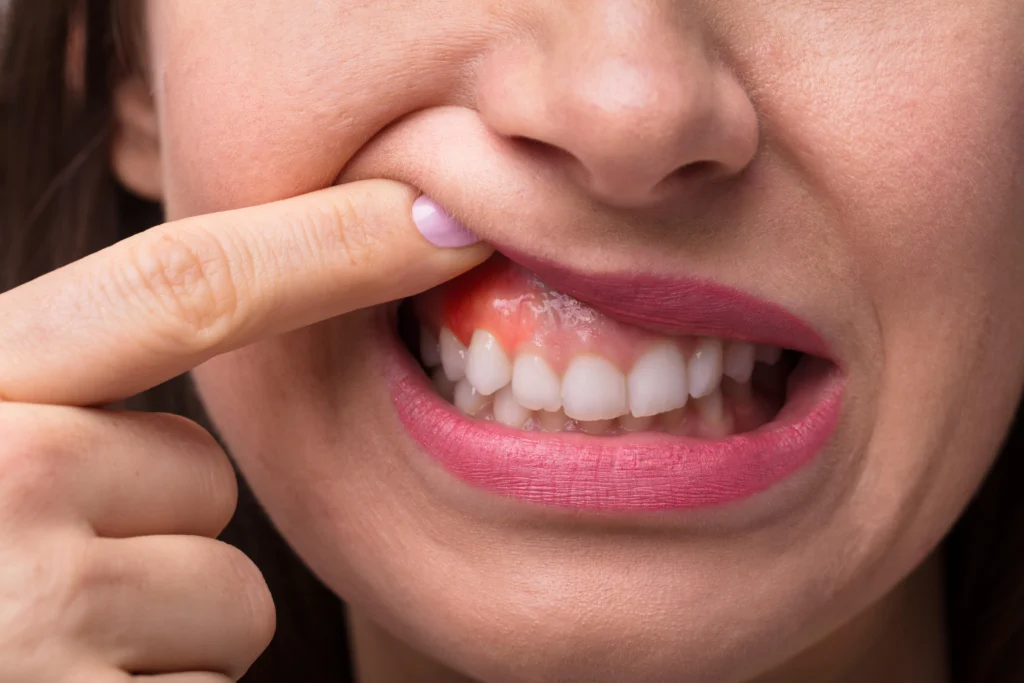
Gum recession is a common dental problem in which the gum tissue slowly pulls away from the teeth, exposing more of the tooth surface or the root. Many people first notice gum recession when their teeth begin to look longer or when they feel sensitivity while eating hot or cold foods. Because gum recession usually develops gradually, it often goes unnoticed in the early stages. However, ignoring it can lead to serious oral health problems such as tooth decay, infections, and even tooth loss. With early diagnosis and the right gum recession treatment, it is possible to stop the condition from worsening and protect your teeth and gums for the long term.
What Is Gum Recession?
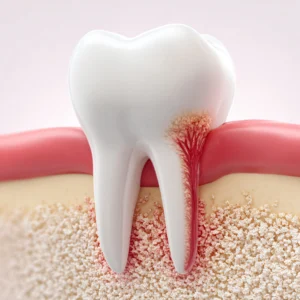
Gum recession occurs when the margin of the gum tissue surrounding the teeth wears away or pulls back over time. This exposes the roots of the teeth, which are not covered by protective enamel. As a result, the teeth become more sensitive and vulnerable to damage. Gum recession can affect one tooth or several teeth and may worsen if proper care is not taken.
Regular dental checkups are important because a dentist can identify gum recession early and recommend preventive care before complications arise.
Common Causes of Gum Recession
Gum recession can be caused by a combination of lifestyle habits and dental conditions. Some of the most common causes include:
- Brushing too hard or using a hard-bristled toothbrush
- Poor oral hygiene leading to plaque and tartar buildup
- Gum disease such as gingivitis or periodontitis
- Smoking or chewing tobacco
- Teeth grinding or clenching (bruxism)
- Crooked or misaligned teeth that put excess pressure on the gums
- Hormonal changes, especially in women
Understanding the cause helps the dentist plan the most effective gum recession treatment for each patient.
Signs and Symptoms You Should Not Ignore
In the early stages, gum recession may not cause pain, which is why many people ignore it. However, some common warning signs include:
- Teeth appearing longer than usual
- Sensitivity to hot, cold, or sweet foods and drinks
- Bleeding gums while brushing or flossing
- Visible tooth roots
- Pain, discomfort, or swelling near the gum line
If you experience any of these symptoms, it is important to consult a dentist as soon as possible.
Gum Recession Treatment Options
The right gum recession treatment depends on the severity of the condition and the underlying cause.
1. Professional Dental Cleaning
In mild cases, professional dental cleaning can remove plaque and tartar that irritate the gums and cause further recession. This helps prevent the condition from progressing.
2. Scaling and Root Planing
This is a deep-cleaning procedure that removes bacteria from below the gum line and smoothens the tooth roots. It helps the gums reattach to the teeth and reduces inflammation.
3. Desensitizing Treatments
For patients experiencing sensitivity, fluoride or medicated gels may be applied to protect exposed roots and reduce discomfort.
4. Gum Grafting (Advanced Cases)
In severe cases of gum recession, a gum graft may be recommended. This procedure restores lost gum tissue, covers exposed roots, and improves both oral health and appearance.
A dentist will carefully evaluate your gums and suggest the most suitable gum recession treatment based on your condition.
Can Gum Recession Be Reversed?
Gum tissue does not grow back naturally once it has receded. However, early treatment can stop further recession and relieve symptoms such as sensitivity and discomfort. In advanced cases, dental procedures like gum grafting can restore gum coverage and protect the teeth from further damage.
How to Prevent Gum Recession
Prevention is the best way to protect your gums and avoid complex treatments. You can reduce your risk of gum recession by following these simple steps:
- Use a soft-bristled toothbrush
- Brush gently using proper technique
- Floss daily to remove plaque between teeth
- Avoid smoking and tobacco products
- Wear a mouth guard if you grind your teeth
- Visit your dentist regularly for checkups and cleanings
Good oral hygiene habits play a major role in keeping your gums healthy.
When Should You See a Dentist?
You should visit a dentist if you notice bleeding gums, tooth sensitivity, or gums pulling back from the teeth. Early diagnosis can prevent complications and help preserve your natural teeth.
At Megadent Dental Care, we focus on preventive dentistry, gentle treatments, and long-term oral health solutions. If you are searching for the best dentist in Kondapur, Hyderabad our experienced team is dedicated to providing personalized care in a comfortable and friendly environment.
Final Thoughts
Gum recession is a common but manageable dental condition. With early detection, proper oral hygiene, and professional care, you can protect your gums and maintain a healthy smile. Paying attention to early signs and consulting a dentist at the right time can make a lasting difference in your oral health.
Frequently Asked Questions (FAQs)
1) Why are my gums going back?
Gums usually recede due to hard brushing, gum disease, poor oral hygiene, smoking, or teeth grinding.
2) Can gums grow back once they recede?
No, gums do not grow back naturally. However, proper gum recession treatment can stop the condition from getting worse.
3) Is the gum recession serious?
Yes. If left untreated, it can cause sensitivity, cavities near the roots, gum infections, and even tooth loss.
4) Does gum recession cause pain?
It may not cause pain at first, but sensitivity and discomfort can develop as the gums recede further.
5) What is the best treatment for gum recession?
The best treatment depends on how severe the problem is. Mild cases may need professional cleaning, while advanced cases may require deep cleaning or gum procedures.
6) Where can I get gum recession treatment in Kondapur?
You can visit Megadent Dental Care, trusted by many as the best dentist in Kondapur for expert gum care and patient-friendly treatment.
Teeth Whitening: Everything You Need to Know for a Brighter, Healthier Smile
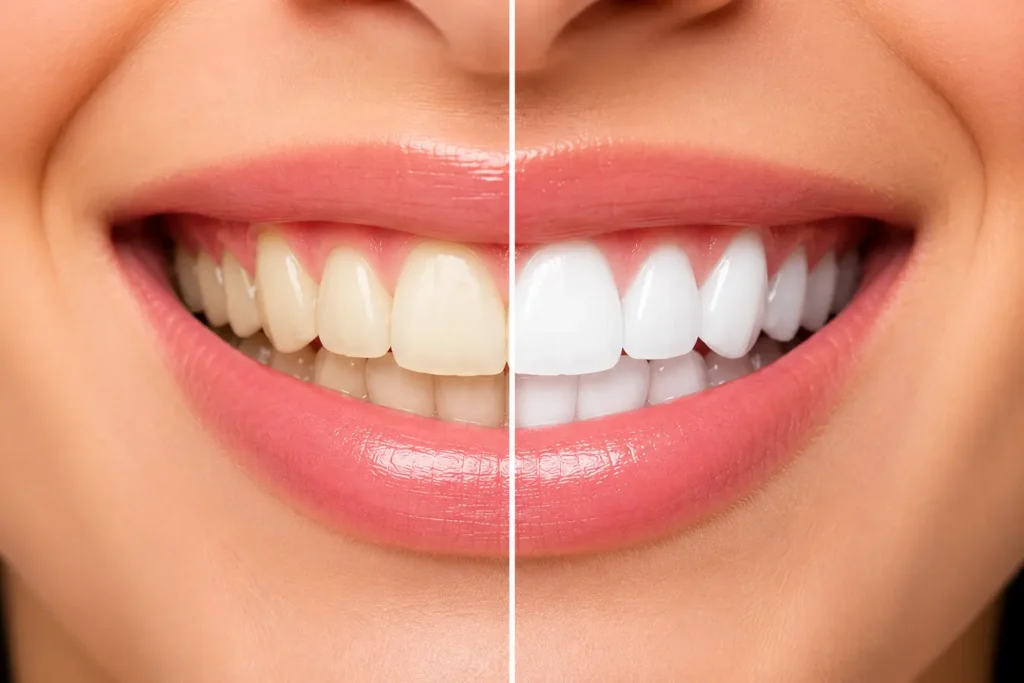
A bright, white smile is often associated with confidence, good oral hygiene, and overall health. However, over time, teeth can become stained or discolored due to various lifestyle habits, aging, medications, and dietary choices. While regular brushing and flossing help maintain oral hygiene, they may not be enough to remove deep stains or restore your teeth’s natural brightness.
Professional teeth whitening is one of the most popular cosmetic dental treatments because it offers safe, effective, and noticeable results in a short period. Whether you’re preparing for a special occasion or simply want to enhance your smile, teeth whitening can make a significant difference.
In this comprehensive guide, you’ll learn everything you need to know about teeth whitening, including the causes of tooth discoloration, treatment options, benefits, aftercare, and how to maintain your results.
What is Teeth Whitening?
Teeth whitening is a cosmetic dental procedure designed to lighten the natural color of your teeth by removing stains and discoloration. It uses professional whitening agents to break down stains on the enamel and dentin, resulting in a brighter and more attractive smile.
Unlike whitening toothpaste, professional teeth whitening targets deeper stains and delivers more noticeable, longer-lasting results while being performed under the supervision of a dental professional.

Why Do Teeth Become Yellow or Stained?
Tooth discoloration can occur for several reasons. Understanding the cause helps determine the most suitable whitening treatment.
1. Food and Beverages
Dark-coloured foods and drinks can stain the enamel over time.
Common culprits include:
- Coffee
- Tea
- Red wine
- Soft drinks
- Berries
- Soy sauce
- Tomato-based sauces
-
Tobacco Use
Smoking and chewing tobacco leave stubborn brown and yellow stains on the teeth due to nicotine and tar.
-
Poor Oral Hygiene
Irregular brushing and flossing allow plaque and tartar to build up, making teeth appear dull and discoloured.
-
Aging
As we age, the enamel naturally becomes thinner, exposing the yellowish dentin beneath the surface.
-
Certain Medications
Some antibiotics, antihistamines, chemotherapy drugs, and medications taken during childhood may cause tooth discoloration.
-
Excess Fluoride
Too much fluoride during tooth development can result in white spots or brown discoloration, a condition known as dental fluorosis.
-
Dental Trauma
An injury to a tooth may affect its internal structure, causing it to darken over time.
-
Genetics
Some people naturally have thicker enamel or whiter teeth than others due to genetic factors.
Types of Tooth Stains
Understanding the type of stain helps determine the most effective treatment.
Extrinsic Stains
These stains occur on the outer surface of the enamel and are commonly caused by food, beverages, tobacco, and poor oral hygiene.
Intrinsic Stains
These develop inside the tooth and may result from trauma, medications, aging, or developmental conditions.
Age-Related Stains
These occur due to a combination of enamel wear and internal tooth changes as people get older.
Who is a Good Candidate for Teeth Whitening?
Professional teeth whitening is suitable for individuals who:
- Have healthy teeth and gums
- Want a brighter smile
- Have yellow or stained teeth
- Do not have untreated cavities
- Have realistic expectations about the results
Your dentist will first examine your oral health to determine whether whitening is the right option for you.
Who Should Avoid Teeth Whitening?
Teeth whitening may not be suitable for:
- Pregnant or breastfeeding women
- Children under the recommended age
- People with untreated gum disease
- Individuals with severe tooth sensitivity
- Patients with untreated cavities
- Those with dental restorations such as crowns or veneers on front teeth (these materials do not whiten)
A dental consultation is essential before beginning treatment.
Professional Teeth Whitening Procedure
Professional teeth whitening is a simple and comfortable procedure.
Step 1: Dental Examination
Your dentist examines your teeth and gums to ensure they are healthy enough for whitening.
Step 2: Professional Cleaning
Plaque and tartar are removed to allow the whitening agent to work effectively.
Step 3: Gum Protection
A protective barrier is applied to the gums to prevent irritation.
Step 4: Whitening Gel Application
A professional-grade whitening gel is carefully applied to the teeth.
Step 5: Light Activation (If Required)
Some whitening systems use a specialized LED light to enhance the whitening process.
Step 6: Final Evaluation
The gel is removed, and your dentist evaluates the results while providing aftercare instructions.
The procedure usually takes 45–90 minutes, depending on the whitening system used.
Benefits of Professional Teeth Whitening
Professional whitening offers several advantages:
- Noticeably brighter smile
- Safe and supervised treatment
- Fast results
- Removes stubborn stains
- Boosts self-confidence
- Improves smile aesthetics
- More effective than over-the-counter products
- Long-lasting results with proper care
Professional Teeth Whitening vs Home Whitening Kits
| Feature | Professional Whitening | Home Whitening Kits |
| Results | Faster and more noticeable | Gradual and less dramatic |
| Safety | Supervised by a dentist | Higher risk of misuse |
| Whitening Strength | Professional-grade agents | Lower-strength products |
| Treatment Time | Usually one appointment | Several weeks |
| Customization | Tailored to your teeth | One-size-fits-most |
Is Teeth Whitening Safe?
Yes. Professional teeth whitening is considered safe when performed by a qualified dentist. Temporary tooth sensitivity or mild gum irritation may occur but usually resolves within a few days.
Avoid using unverified whitening products without professional advice, as they may damage your enamel or gums.
How Long Do Teeth Whitening Results Last?
Results vary depending on lifestyle and oral hygiene.
Most patients enjoy brighter teeth for 6 months to 2 years, especially when they:
- Brush twice daily
- Floss regularly
- Avoid tobacco
- Limit stain-causing foods and beverages
- Visit the dentist for regular cleanings
How to Maintain White Teeth After Whitening
Follow these tips to prolong your results:
- Brush twice a day with fluoride toothpaste
- Floss daily
- Drink water after consuming coffee or tea
- Limit tobacco use
- Reduce intake of stain-causing foods
- Attend regular dental check-ups
- Schedule touch-up whitening treatments when recommended
Common Myths About Teeth Whitening
Myth 1: Teeth whitening damages enamel.
Fact: Professional teeth whitening does not damage enamel when performed correctly.
Myth 2: Whitening results last forever.
Fact: Teeth can become stained again over time without proper care.
Myth 3: Whitening toothpaste provides the same results.
Fact: Whitening toothpaste mainly removes surface stains and cannot achieve the same results as professional treatment.
Myth 4: Everyone gets the same whitening results.
Fact: Results vary depending on the type and severity of tooth discoloration.
Possible Side Effects
Some patients may experience:
- Temporary tooth sensitivity
- Mild gum irritation
- Slight discomfort during treatment
These effects are generally temporary and subside within a few days.
When Should You Consider Teeth Whitening?
You may benefit from professional whitening if:
- Your teeth appear yellow or stained
- You have a special event such as a wedding or interview
- You want to improve your smile
- You feel less confident because of tooth discoloration
- You maintain good oral health but want a brighter appearance
Why Choose MegaDent Advanced Dental Care, Kondapur, Hyderabad?
At MegaDent Advanced Dental Care, Kondapur, Hyderabad we believe every smile deserves to shine with confidence. Our professional teeth whitening treatments are designed to safely remove stubborn stains and restore the natural brightness of your teeth using advanced whitening technology and high-quality materials. Before starting treatment, our experienced dental team conducts a thorough oral examination to ensure your teeth and gums are healthy and suitable for whitening. We create personalized treatment plans based on your dental condition, smile goals, and sensitivity levels to achieve natural-looking, long-lasting results. Whether you’re preparing for a special occasion or simply want to refresh your smile, MegaDent Advanced Dental Care is committed to helping you achieve a brighter, healthier smile in a comfortable and patient-friendly environment.
Conclusion
A bright, white smile can significantly enhance your confidence, appearance, and overall quality of life. While daily oral hygiene plays an essential role in maintaining healthy teeth, professional teeth whitening is the most effective way to remove stubborn stains and achieve noticeable, long-lasting results. Choosing treatment under the supervision of an experienced dentist ensures both safety and optimal outcomes.
If you’re ready to transform your smile, visit MegaDent Advanced Dental Care, Kondapur. Our skilled dental professionals provide personalized teeth whitening treatments using advanced techniques to help you achieve a naturally radiant smile. Schedule your consultation today and take the first step toward a brighter, healthier, and more confident you.
Frequently Asked Questions (FAQs)
1. Is professional teeth whitening safe?
Yes. Professional teeth whitening is safe when performed under the supervision of a qualified dentist.
2. Does teeth whitening hurt?
Most patients experience little to no discomfort. Some may have temporary tooth sensitivity after treatment.
3. How long does a teeth whitening procedure take?
Most in-clinic whitening treatments take between 45 and 90 minutes.
4. How long do the results last?
Results typically last 6 months to 2 years, depending on your oral hygiene and lifestyle habits.
5. Can teeth whitening remove all stains?
Professional whitening is highly effective for many stains but may not remove discoloration caused by certain medications, trauma, or dental restorations.
6. Can smokers get teeth whitening?
Yes. However, continuing to smoke after treatment can cause new stains and shorten the longevity of the results.
7. Will crowns, veneers, or fillings whiten?
No. Dental restorations do not respond to whitening agents.
8. Can I drink coffee after teeth whitening?
It’s best to avoid coffee, tea, red wine, and other staining foods or beverages for at least 48 hours after treatment.
9. How often can I whiten my teeth?
Your dentist will recommend the appropriate frequency based on your oral health and whitening goals.
10. Who is the best candidate for professional teeth whitening?
Individuals with healthy teeth and gums who want to remove stains and enhance the appearance of their smile are generally excellent candidates.
Phasellus at dolor placerat, vestibulum urna quis, molestie nisl. Quisque metus ex, interdum sit amet orci luctus, auctor porta tortor. Donec posuere nunc a euismod mattis. Donec sit amet tempor ligula. Interdum et malesuada fames ac ante ipsum primis in faucibus. Morbi accumsan dui vitae ornare eleifend.
Suspendisse consequat at urna non lobortis. Aliquam quis ligula pharetra, malesuada lectus luctus, cursus lectus. Sed finibus rhoncus nisi eget convallis. Aliquam nec sapien interdum, varius nibh non, pretium nisi. Curabitur eu neque fringilla, dapibus libero quis, mollis mi. Donec feugiat a metus in condimentum. Aliquam erat volutpat. Praesent non massa sit amet neque pharetra efficitur a et quam. Duis vitae arcu id magna porta venenatis at eget elit.
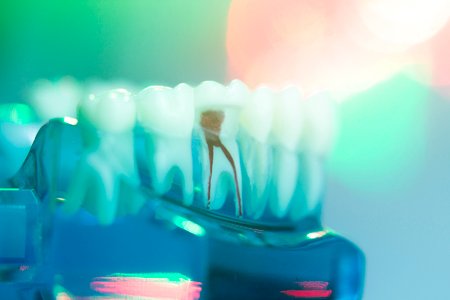
Everything you need to know about a dead tooth
Lorem ipsum dolor sit amet, consectetur adipiscing elit. Aenean consequat tellus nunc. Praesent venenatis, nisl ac consequat auctor, risus justo aliquet nisl, eu tristique tellus purus non erat. Aliquam cursus urna vel turpis sagittis semper ac id neque. Aliquam lectus velit, lacinia iaculis ante in, interdum egestas nibh. Donec pellentesque sapien quis dictum hendrerit. Duis molestie enim nulla, ac placerat augue interdum sed. Curabitur tincidunt arcu nec nisl dictum ultricies. Nulla mauris massa, pellentesque sed facilisis ac, semper ac nulla. Donec vestibulum nisi eu ex finibus tempor. Vestibulum sit amet feugiat tortor. Quisque ac nisi eu nibh tincidunt bibendum vitae non odio.
Duis molestie enim nulla, ac placerat augue interdum sed. Curabitur tincidunt arcu nec nisl dictum ultricies. Nulla mauris massa, pellentesque sed facilisis ac, semper ac nulla. Donec vestibulum nisi eu ex finibus tempor. Vestibulum sit amet feugiat tortor. Quisque ac nisi eu nibh tincidunt bibendum vitae non odio.
Nulla a auctor turpis
Suspendisse mollis sollicitudin, eleifend tempus felis a auctor turpis.
Nullam maximus, leo vitae tristique varius, dui mauris tincidunt nisi, quis laoreet nisi risus vitae elit. In luctus volutpat velit, et blandit orci porta ut Nullam maximus, leo vitae tristique varius.

Aenean ullamcorper lectus et lorem euismod gravida. Donec tempor bibendum ex, et fringilla arcu mollis vitae. Phasellus vel arcu nulla. Sed malesuada justo eu ante vestibulum, eu gravida lectus sollicitudin. Suspendisse in tellus quis nunc aliquet hendrerit. Praesent accumsan, dui in sollicitudin faucibus, justo dui viverra dui, non auctor urna tortor vitae risus. Interdum et malesuada fames ac ante ipsum primis in faucibus. Etiam porttitor tellus ut leo interdum accumsan. Proin sed enim non turpis finibus volutpat ut id nisl.

Phasellus at dolor placerat, vestibulum urna quis, molestie nisl. Quisque metus ex, interdum sit amet orci luctus, auctor porta tortor. Donec posuere nunc a euismod mattis. Donec sit amet tempor ligula. Interdum et malesuada fames ac ante ipsum primis in faucibus. Morbi accumsan dui vitae ornare eleifend.
Suspendisse consequat at urna non lobortis. Aliquam quis ligula pharetra, malesuada lectus luctus, cursus lectus. Sed finibus rhoncus nisi eget convallis. Aliquam nec sapien interdum, varius nibh non, pretium nisi. Curabitur eu neque fringilla, dapibus libero quis, mollis mi. Donec feugiat a metus in condimentum. Aliquam erat volutpat. Praesent non massa sit amet neque pharetra efficitur a et quam. Duis vitae arcu id magna porta venenatis at eget elit.