

What You Should Know About Wisdom Tooth Extraction
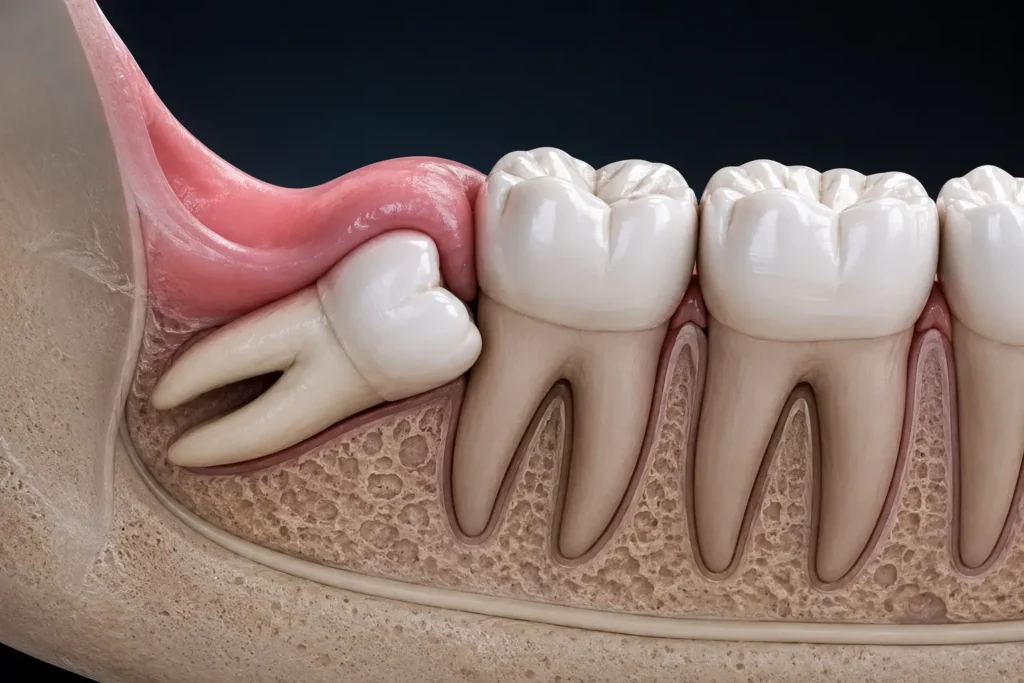
Wisdom teeth are the last set of molars to develop, usually appearing between the ages of 17 and 25. While some people have enough space for these teeth to grow normally, many experience problems due to impacted or misaligned wisdom teeth. This can lead to pain, swelling, infection, and damage to nearby teeth. Wisdom tooth extraction is a common dental procedure that helps prevent these complications and protects your overall oral health.
In this blog, we’ll cover everything you need to know about wisdom tooth extraction, including its causes, symptoms, procedure, recovery, and prevention tips.
What is a Wisdom Tooth?
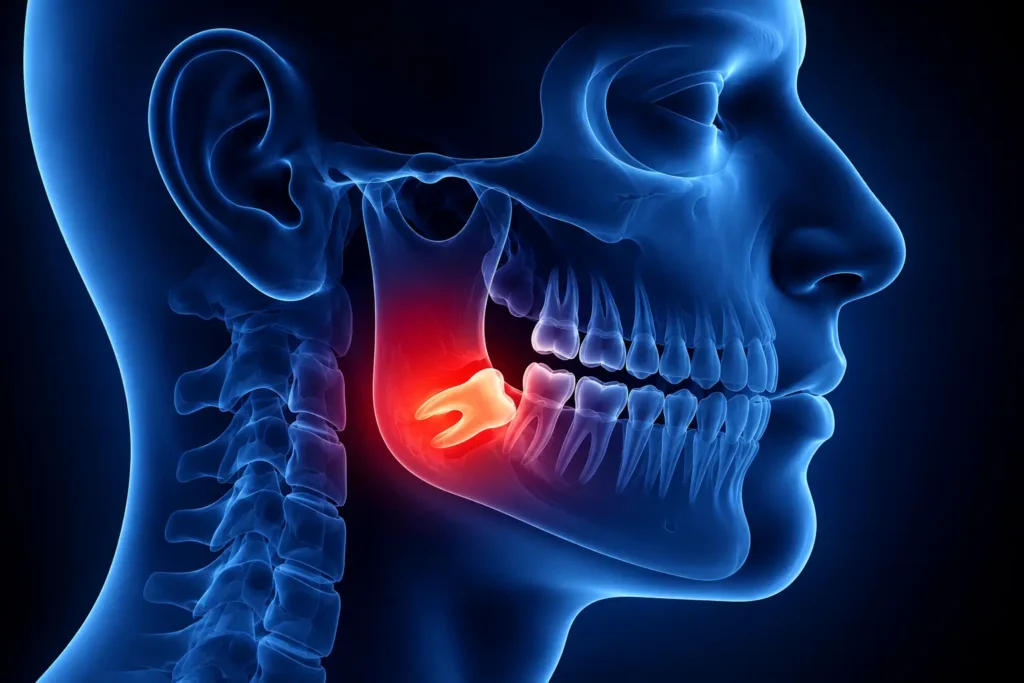
Wisdom teeth are the third molars located at the back of your mouth. Most people have four wisdom teeth – one in each corner of the mouth. They are the last permanent teeth to erupt and often don’t have enough space to grow properly, leading to dental problems.
Why Do Wisdom Teeth Need to Be Removed?
Not all wisdom teeth require extraction. However, removal is recommended when they cause pain, infection, or other oral health issues.
Common reasons include:
- Impacted wisdom teeth
- Severe tooth pain
- Swollen or infected gums
- Tooth decay
- Damage to neighboring teeth
- Crowding of teeth
- Cysts or jawbone damage
- Difficulty cleaning partially erupted wisdom teeth
Signs You May Need a Wisdom Tooth Extraction
Watch for these common symptoms:
- Persistent pain at the back of the mouth
- Swollen or bleeding gums
- Jaw pain or stiffness
- Difficulty opening your mouth
- Bad breath
- Unpleasant taste in the mouth
- Swelling around the jaw
- Frequent gum infections
- Food getting trapped behind the wisdom tooth
If you notice any of these symptoms, it’s important to visit your dentist for an evaluation.
Types of Wisdom Tooth Impaction
1. Vertical Impaction
The tooth grows upright but remains trapped beneath the gum or bone.
2. Horizontal Impaction
The tooth grows sideways, pressing against the neighbouring tooth.
3. Mesial Impaction
The tooth is angled toward the front of the mouth, which is the most common type.
4. Distal Impaction
The tooth is angled toward the back of the mouth and is less common.
Causes of Wisdom Tooth Problems
Several factors can contribute to wisdom tooth issues:
- Lack of space in the jaw
- Abnormal tooth position
- Genetics
- Delayed eruption
- Poor oral hygiene
- Gum infections
- Tooth decay
How is Wisdom Tooth Extraction Performed?
The procedure usually involves the following steps:
1. Dental Examination
Your dentist examines your teeth and may recommend digital X-rays or a CBCT scan to assess the position of the wisdom tooth.
2. Local Anaesthesia
The area around the tooth is numbed to ensure a comfortable procedure.
3. Tooth Removal
If the tooth is impacted, a small incision may be made in the gum, and the tooth may be removed in sections for easier extraction.
4. Cleaning the Area
The extraction site is cleaned to reduce the risk of infection.
5. Stitches (If Needed)
Sutures may be placed to help the gums heal properly.
The procedure typically takes 20–60 minutes, depending on the complexity of the extraction.
What to Expect After Wisdom Tooth Extraction
It is normal to experience:
- Mild pain
- Swelling
- Slight bleeding
- Jaw stiffness
- Difficulty chewing for a few days
These symptoms usually improve within a week with proper care.
Recovery Tips After Wisdom Tooth Extraction
For a smooth recovery:
- Bite gently on the gauze as instructed.
- Apply an ice pack to reduce swelling.
- Take prescribed medications on time.
- Eat soft foods such as yogurt, soup, mashed potatoes, and smoothies.
- Drink plenty of water.
- Avoid smoking and alcohol.
- Do not use a straw for the first 24–48 hours.
- Avoid strenuous activities for a few days.
- Brush gently, avoiding the extraction site.
- Rinse with warm salt water after 24 hours if advised by your dentist.
Foods to Eat After Wisdom Tooth Removal
Choose soft and nutritious foods like:
- Yogurt
- Mashed potatoes
- Smoothies
- Oatmeal
- Scrambled eggs
- Soup
- Soft rice
- Applesauce
- Ice cream (in moderation)
Avoid hard, spicy, crunchy, and sticky foods until the area heals.
Possible Risks if Wisdom Teeth Are Not Removed
Ignoring problematic wisdom teeth may lead to:
- Severe tooth pain
- Gum infection
- Tooth decay
- Damage to adjacent teeth
- Cysts
- Jawbone damage
- Crowded teeth
- Difficulty maintaining oral hygiene
Early treatment helps prevent these complications.
Benefits of Wisdom Tooth Extraction
- Relieves pain and discomfort
- Prevents infection
- Protects neighbouring teeth
- Reduces the risk of cavities
- Prevents gum disease
- Improves oral hygiene
- Prevents jaw complications
- Supports long-term dental health
When Should You See a Dentist?
Schedule a dental visit if you experience:
- Persistent pain near the wisdom tooth
- Swelling of the gums or face
- Difficulty opening your mouth
- Fever or pus around the tooth
- Bad breath that doesn’t improve
- Pain while chewing
- Bleeding gums around the wisdom tooth
Prompt treatment can prevent more serious complications.
Why Choose MegaDent Advanced Dental Care, Kondapur?
At MegaDent Advanced Dental Care, Kondapur, we provide safe, comfortable, and advanced wisdom tooth extraction using modern diagnostic technology and gentle treatment techniques. Our experienced dental team carefully evaluates each case and creates a personalized treatment plan to ensure minimal discomfort and faster healing. Whether your wisdom tooth is impacted, infected, or causing pain, we are committed to delivering high-quality dental care in a comfortable environment. Your safety, comfort, and long-term oral health are always our top priorities.
Conclusion
Wisdom tooth extraction is a safe and effective procedure that helps prevent pain, infection, and long-term dental complications. While not every wisdom tooth needs to be removed, impacted or problematic teeth should be treated early to protect your oral health. If you’re experiencing pain, swelling, or discomfort around your wisdom teeth, don’t delay seeking professional care. At MegaDent Advanced Dental Care, Kondapur, our experienced team offers advanced diagnosis, gentle wisdom tooth extraction, and personalized aftercare to ensure a smooth recovery and a healthier smile.
Frequently Asked Questions (FAQs)
1. Is wisdom tooth extraction painful?
No. The procedure is performed under local anesthesia, so you won’t feel pain during the extraction. Mild discomfort afterward is normal and manageable with medication.
2. How long does recovery take?
Most patients recover within 7–10 days, although complete healing of the extraction site may take a few weeks.
3. Can I eat after wisdom tooth removal?
Yes. Start with soft foods and avoid hard or crunchy foods until your dentist advises otherwise.
4. When can I return to work or school?
Many people return within 1–3 days, depending on the complexity of the extraction and their recovery.
5. What happens if an impacted wisdom tooth is not removed?
It can cause pain, infection, tooth decay, gum disease, damage to nearby teeth, and cyst formation.
6. Can all four wisdom teeth be removed at once?
Yes. If recommended by your dentist, all four wisdom teeth can often be extracted during a single appointment.
7. Is swelling normal after extraction?
Yes. Swelling usually peaks within 48 hours and gradually subsides over the next few days.
8. How can I reduce swelling?
Use an ice pack for the first 24 hours, follow your dentist’s instructions, and take prescribed medications.
9. Can I brush my teeth after surgery?
Yes, but avoid the extraction area for the first day and brush gently.
10. At what age should wisdom teeth be evaluated?
Dentists generally recommend evaluating wisdom teeth between the ages of 17 and 25, even if they are not causing symptoms.
Aligners vs Braces: Which Orthodontic Treatment is Right for You?
A straight, healthy smile not only enhances your appearance but also improves your oral health and confidence. If you’re considering orthodontic treatment, you’ve likely come across two popular options – clear aligners and traditional braces. Both are effective for correcting misaligned teeth, bite issues, and spacing problems, but they differ in terms of appearance, comfort, maintenance, and treatment experience.
So, how do you know which option is best for you?
In this comprehensive guide, we’ll compare aligners vs braces to help you make an informed decision based on your lifestyle, dental needs, and treatment goals.
What Are Clear Aligners?
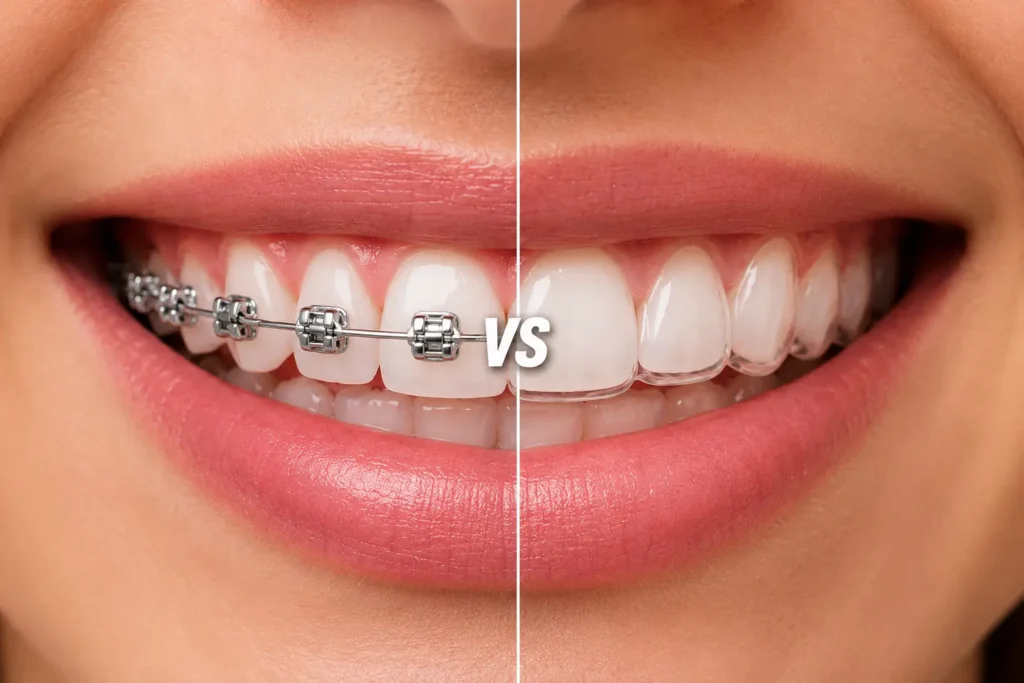
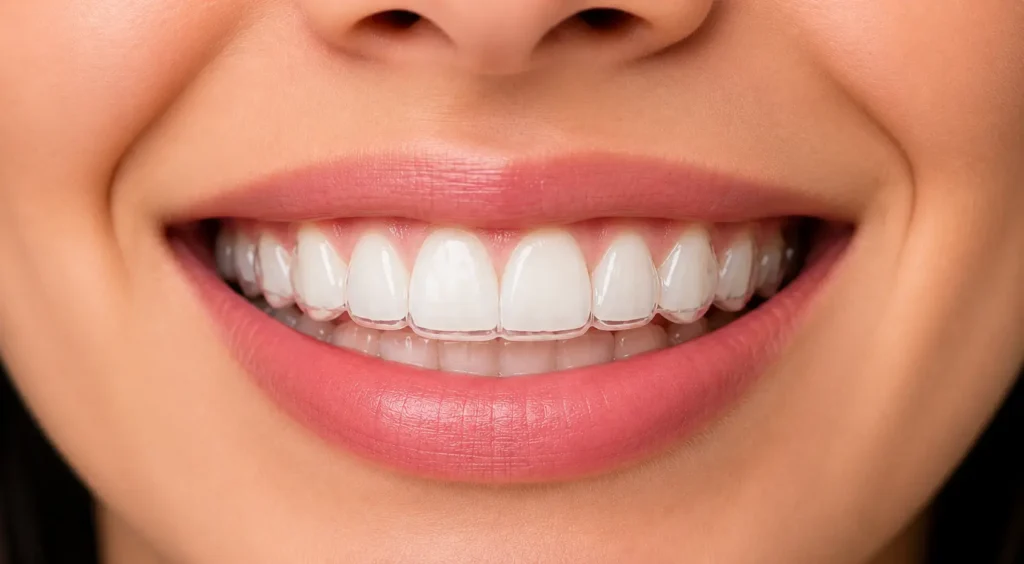
Clear aligners are custom-made, transparent trays designed to gradually move your teeth into the desired position. They are removable, virtually invisible, and are replaced every few weeks as your teeth shift.
Aligners are a popular choice among adults and teenagers who want a discreet way to straighten their teeth without the appearance of metal braces.
What Are Traditional Braces?
Traditional braces use metal or ceramic brackets attached to the teeth and connected by wires. These components apply continuous pressure to gradually move the teeth into proper alignment.
Braces have been used successfully for decades and are highly effective in treating both simple and complex orthodontic problems.
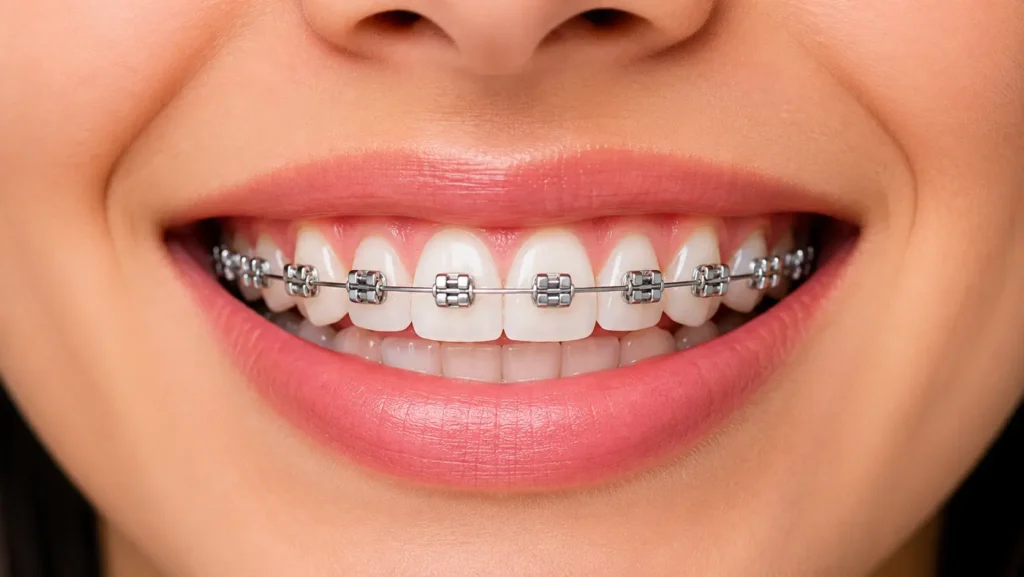
Aligners vs Braces: Key Differences
| Feature | Clear Aligners | Traditional Braces |
| Appearance | Nearly invisible | Metal or ceramic brackets are visible |
| Comfort | Smooth plastic trays | Brackets and wires may cause irritation initially |
| Removability | Can be removed while eating and brushing | Fixed to the teeth until treatment is complete |
| Oral Hygiene | Easier to brush and floss | Requires extra care around brackets and wires |
| Food Restrictions | No restrictions if aligners are removed | Avoid sticky, hard, and chewy foods |
| Dental Visits | Fewer follow-up appointments | Regular adjustment visits required |
| Treatment Time | Often 6–18 months (depending on the case) | Usually 12–24 months or longer |
| Best For | Mild to moderate alignment issues | Mild to severe orthodontic cases |
Benefits of Clear Aligners
Clear aligners offer several advantages, including:
- Virtually invisible appearance
- Comfortable to wear
- Removable for eating and brushing
- Easy to maintain oral hygiene
- No dietary restrictions
- Fewer dental appointments
- Reduced risk of mouth irritation
- Ideal for professionals and adults seeking a discreet treatment
Benefits of Traditional Braces
Braces remain one of the most effective orthodontic treatments because they:
- Correct complex bite and alignment issues
- Work continuously since they cannot be removed
- Are suitable for patients of all ages
- Provide precise tooth movement
- Can address severe crowding and spacing problems
- Offer long-lasting, predictable results
Who Is a Good Candidate for Clear Aligners?
Clear aligners are suitable for individuals with:
- Mild to moderate crowding
- Small gaps between teeth
- Minor bite problems
- Crooked teeth
- Relapse after previous orthodontic treatment
However, successful treatment depends on wearing the aligners for 20–22 hours every day.
Who Is a Good Candidate for Braces?
Traditional braces are recommended for patients with:
- Severe crowding
- Complex bite issues
- Rotated teeth
- Significant spacing problems
- Jaw alignment concerns
- Younger patients who may struggle to wear removable aligners consistently
Treatment Duration
The duration of orthodontic treatment depends on the complexity of the case.
Clear Aligners:
- Typically 6–18 months
- Mild cases may finish sooner
- Requires consistent wear for optimal results
Traditional Braces:
- Usually 12–24 months
- Complex cases may take longer
Your orthodontist will recommend the most appropriate treatment timeline after evaluating your teeth.
Comfort: Which Option Feels Better?
Most patients find clear aligners more comfortable because they have smooth edges and no metal components.
Braces may cause temporary discomfort after placement or adjustments, and brackets can sometimes irritate the inside of the cheeks or lips until you adjust.
Which Option Is Easier to Maintain?
Clear Aligners
Maintaining aligners is simple:
- Remove them before meals
- Brush and floss normally
- Clean aligners daily
- Wear them for the recommended duration
Traditional Braces
Braces require additional care:
- Brush carefully around brackets
- Use floss threaders or interdental brushes
- Avoid sticky and hard foods
- Attend regular adjustment appointments
Good oral hygiene is essential to prevent cavities and gum problems during treatment.
Cost of Aligners vs Braces
The cost varies depending on:
- Complexity of the case
- Duration of treatment
- Type of aligners or braces
- Clinic location
- Experience of the orthodontist
Rather than choosing based on cost alone, it’s important to consider which treatment best suits your dental condition and lifestyle.
Common Myths About Aligners and Braces
Myth 1: Aligners work faster than braces.
Fact: Treatment time depends on the complexity of your case and how well you follow your orthodontist’s instructions.
Myth 2: Braces are only for children.
Fact: Adults can successfully undergo orthodontic treatment with braces or aligners.
Myth 3: Aligners are painful.
Fact: Mild pressure is normal when changing to a new set of aligners, but significant pain is uncommon.
Myth 4: Braces always look unattractive.
Fact: Modern ceramic braces are less noticeable and offer a more aesthetic option than traditional metal braces.
Tips for Successful Orthodontic Treatment
- Follow your dentist’s instructions carefully
- Maintain excellent oral hygiene
- Attend all scheduled appointments
- Avoid damaging your braces
- Wear aligners for the recommended number of hours
- Wear retainers after treatment to maintain your results
When Should You Visit an Orthodontist?
Consider scheduling a consultation if you have:
- Crooked teeth
- Gaps between teeth
- Crowded teeth
- Difficulty chewing
- Jaw pain caused by bite problems
- Overbite, underbite, or crossbite
- Shifting teeth after previous orthodontic treatment
Early evaluation can help determine the most effective treatment plan.
Why Choose MegaDent Advanced Dental Care, Kondapur?
At MegaDent Advanced Dental Care, Kondapur, we believe every patient deserves a confident and healthy smile. Our experienced orthodontic team offers personalized treatment plans using advanced orthodontic solutions, including clear aligners and traditional braces. We carefully evaluate your dental condition, explain every treatment option, and recommend the most suitable approach based on your needs, lifestyle, and smile goals. With modern technology, patient-focused care, and a commitment to excellent results, we help you achieve a beautifully aligned smile in a comfortable and supportive environment.
Conclusion
Choosing between clear aligners and traditional braces depends on your dental condition, lifestyle, aesthetic preferences, and treatment goals. Both options are highly effective when planned and monitored by an experienced orthodontist. While aligners offer a nearly invisible and removable solution for many patients, braces remain the gold standard for correcting more complex orthodontic issues. The key is to choose the treatment that best fits your individual needs rather than focusing solely on appearance or convenience.
Frequently Asked Questions (FAQs)
1. Which is better: aligners or braces?
Both are effective. Aligners are ideal for mild to moderate cases and patients seeking a discreet option, while braces are often recommended for more complex orthodontic issues.
2. Are clear aligners as effective as braces?
Yes, for many mild to moderate orthodontic cases. Severe cases may require braces for the best results.
3. How many hours should I wear aligners each day?
Clear aligners should be worn for 20–22 hours daily for effective treatment.
4. Do braces work faster than aligners?
Treatment duration depends on the complexity of the case rather than the type of treatment.
5. Can adults get braces?
Yes. Orthodontic treatment is suitable for adults of all ages.
6. Can I eat with clear aligners?
No. Remove your aligners before eating or drinking anything other than water.
7. Do braces hurt?
You may experience mild discomfort after placement or adjustments, but it usually subsides within a few days.
8. How often do I need to visit the dentist during treatment?
Braces typically require monthly adjustments, while aligner patients usually have fewer follow-up visits.
9. Will I need a retainer after treatment?
Yes. Retainers help maintain your new smile and prevent teeth from shifting.
10. How do I know which treatment is right for me?
The best way to decide is through a professional orthodontic consultation. Your dentist will assess your teeth, bite, and treatment goals before recommending the most suitable option.