

Aligner Treatment – Clear Path to a Perfect Smile Solution
Aligner Treatment: The Clear Path to a Perfect Smile
A confident smile not only enhances your appearance but also improves oral health and boosts self-esteem. Many people struggle with crooked teeth, gaps, or misaligned bites, but the thought of wearing traditional metal braces can feel uncomfortable or inconvenient. That’s where aligner treatment comes in – a modern, effective solution for teeth alignment without braces.
Also known as invisible teeth aligners, aligners offer a discreet way to straighten your teeth while maintaining your lifestyle. Whether you are a teen, adult, or professional, aligners provide a comfortable, removable, and nearly invisible alternative to braces. With teeth alignment treatment becoming more advanced and affordable, achieving a perfect smile is now easier than ever.
In this blog, we’ll explain everything you need to know about aligner treatment, including the teeth aligners cost, treatment process, benefits, and why it’s a preferred choice for modern teeth alignment.
What is Aligner Treatment?
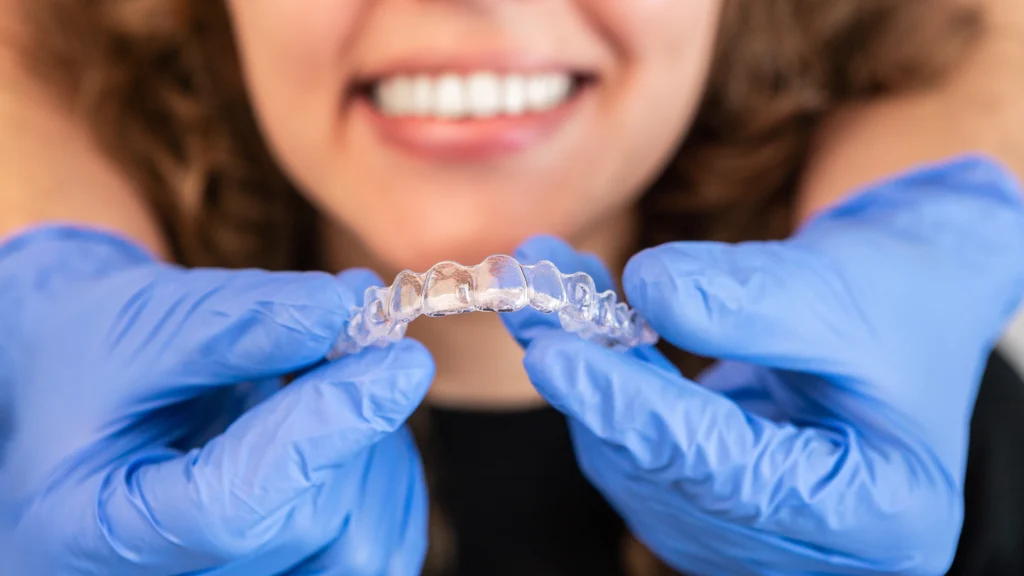
Aligner treatment uses a series of clear, removable aligners to gradually move your teeth into the desired position. These aligners are custom-made using advanced digital scanning technology, making them virtually invisible. This makes them ideal for adults and teens who want teeth alignment treatment without the look or discomfort of metal braces.
Key Benefits of Aligner Treatment
 Clear and Invisible – Perfect for those seeking teeth alignment without braces.
- Comfortable Fit – Smooth edges reduce irritation compared to metal braces.
- Removable – Eat, drink, brush, and floss with ease.
- Customized – Each aligner is designed to fit your teeth perfectly.
- Effective – Advanced 3D planning ensures precise teeth movement.
- Hygienic – Easier to clean teeth and maintain oral hygiene.
Who Can Benefit From Aligner Treatment?
Aligners are suitable for:
- Crooked or misaligned teeth
- Overbite, underbite, or crossbite
- Gaps between teeth
- Crowded teeth
- Adults and teens looking for discreet treatment
Your dentist or orthodontist will assess your teeth and recommend the best teeth alignment treatment for your specific needs.
How Does the Process Work?
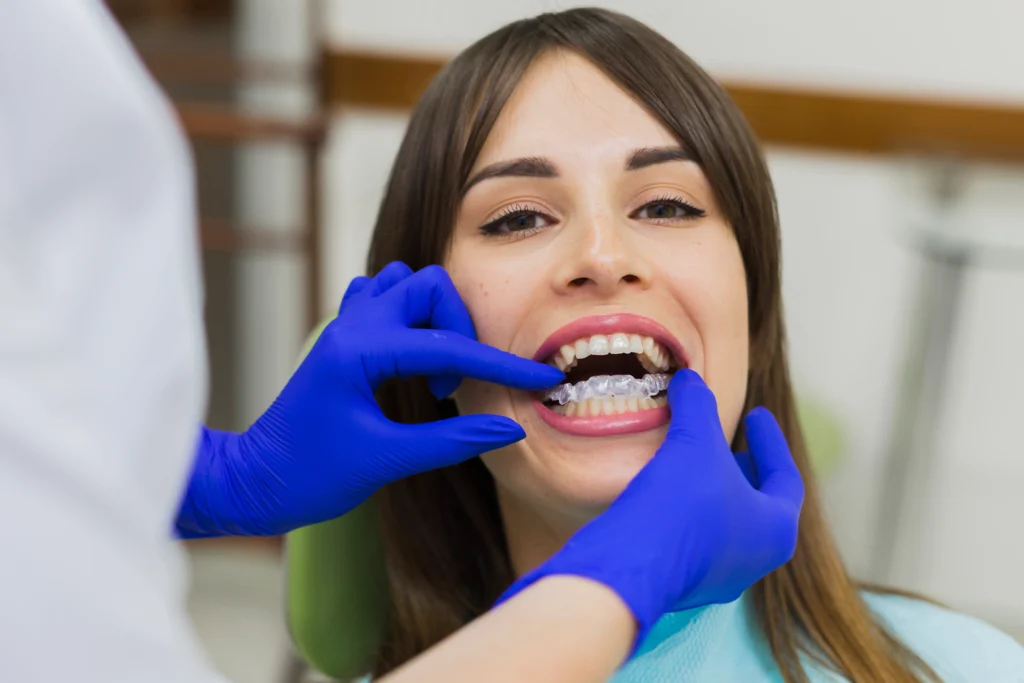
- Consultation and Evaluation – Your dentist examines your teeth and discusses your smile goals.
- 3D Scanning and Digital Planning – Using advanced technology, a detailed plan is created showing how your teeth will move.
- Fabrication of Aligners – Customized, transparent aligners are manufactured for you.
- Wearing the Aligners – Each set is worn for 20–22 hours per day, switching every 1–2 weeks.
- Progress Monitoring – Regular dental visits ensure treatment is progressing as planned.
Teeth Aligners Cost
The teeth aligners cost varies based on treatment complexity, number of aligners, and duration. While it may be slightly higher than traditional braces, aligners offer superior comfort, aesthetics, and convenience. Most dental clinics provide flexible payment options for your ease.
Lifestyle Benefits
- Enjoy social and professional confidence while wearing invisible aligners.
- Eat your favorite foods without restrictions since aligners are removable.
- Maintain oral hygiene effortlessly, reducing the risk of cavities and gum issues.
Technology Behind Aligners
Modern teeth alignment treatment uses 3D scanning, digital mapping, and computer-aided design to create precise aligners. This ensures predictable results, faster treatment time, and a customized fit for each patient.
Why Choose Aligner Treatment?
- Discreet and Invisible – Ideal for adults seeking subtle teeth alignment.
- Comfortable and Convenient – Removable aligners make life easier.
- Predictable and Effective – Digital treatment planning ensures successful outcomes.
Healthy Smile – Maintains oral hygiene better than traditional braces.
 Conclusion
Aligner treatment is a safe, effective, and convenient way to achieve a perfect smile without traditional braces. For those looking for teeth alignment without braces, teeth alignment treatment, or seeking invisible teeth aligners, it is a modern solution combining aesthetics, comfort, and efficiency.
For the best results and expert guidance, consult Megadent Dental Clinic, Kondapur, Hyderabad. Megadent Dental Clinic offers state-of-the-art dental technology, including 3D scanning and digital treatment planning, ensuring precise and customized aligners for every patient. Experienced dentists provide personalized care, guiding patients through every step of teeth alignment treatment, and ensuring a comfortable, safe, and effective experience.
Megadent Dental Clinic helps patients achieve long-lasting oral health, confident smiles, and effective results with advanced aligner solutions. Start your journey to a perfect smile with one of the best dental clinics in Kondapur, Hyderabad.
FAQ’s – Frequently Asked Questions
- What is the difference between aligners and traditional braces?
A: Aligners are clear, removable, and more comfortable than metal braces, making them an ideal option for discreet teeth alignment. Traditional braces use metal brackets and wires, while aligners are nearly invisible. - How long does aligner treatment take?
A: Treatment duration varies depending on the dental condition. Most patients see results within 6–18 months. - Are invisible teeth aligners effective?
A: Yes! Invisible teeth aligners are effective for correcting mild to moderate teeth alignment issues and improving smile appearance. - How much do teeth aligners cost?
A: The cost of teeth aligners depends on your dental condition and treatment plan, but it is a worthwhile investment for comfort and aesthetics. - Can I eat and drink with aligners on?
A: It is recommended to remove aligners while eating or drinking anything other than water to maintain proper hygiene. - Are aligners painful?
A: Some mild pressure may be felt initially, but aligners are generally more comfortable than traditional braces. - Can adults use aligners for teeth alignment?
A: Yes, aligners are suitable for both adults and teens who want a discreet and effective teeth alignment solution.

Everything You Need to Know About Jaw Pain: Causes, Symptoms, Treatment & Prevention
Jaw pain is a common problem that can affect people of all ages. It may start as mild discomfort while chewing or speaking, but in some cases, it can become severe enough to interfere with daily activities. Jaw pain can result from dental issues, muscle strain, temporomandibular joint (TMJ) disorders, infections, injuries, or even stress-related teeth grinding.
Understanding the causes, symptoms, and treatment options can help you seek timely care and prevent long-term complications. In this comprehensive guide, we’ll cover everything you need to know about jaw pain and when it’s time to visit a dentist.
Duis molestie enim nulla, ac placerat augue interdum sed. Curabitur tincidunt arcu nec nisl dictum ultricies. Nulla mauris massa, pellentesque sed facilisis ac, semper ac nulla. Donec vestibulum nisi eu ex finibus tempor. Vestibulum sit amet feugiat tortor. Quisque ac nisi eu nibh tincidunt bibendum vitae non odio.
What is Jaw Pain?
Jaw pain refers to any discomfort, tenderness, or soreness in the jawbone, jaw joints, or surrounding muscles. The pain may occur on one side or both sides of the face and can sometimes spread to the ears, neck, or temples.
It may be temporary due to muscle strain or indicate an underlying dental or medical condition that requires professional treatment.

Common Causes of Jaw Pain
1. Temporomandibular Joint (TMJ) Disorders
The temporomandibular joints connect your jawbone to your skull and help you chew, talk, and yawn.
When these joints become inflamed or damaged, they may cause:
- Clicking or popping sounds
- Difficulty opening the mouth
- Jaw locking
- Facial pain
- Ear discomfort
TMJ disorders are among the most common reasons for chronic jaw pain.
2. Teeth Grinding (Bruxism)
Many people unconsciously grind or clench their teeth, especially during sleep.
This constant pressure can lead to:
- Jaw muscle soreness
- Headaches
- Tooth wear
- Sensitive teeth
- Morning jaw stiffness
Stress is one of the leading causes of bruxism.
3. Tooth Infection or Dental Abscess
A severely infected tooth can cause intense jaw pain.
Other symptoms include:
- Swelling
- Bad taste in the mouth
- Fever
- Difficulty chewing
- Sensitivity to hot or cold foods
Prompt dental treatment is essential to prevent the infection from spreading.
4. Wisdom Tooth Problems
Wisdom teeth may become impacted or partially erupted.
This can cause:
- Jaw pain
- Swollen gums
- Difficulty opening the mouth
- Pain while chewing
- Infection around the tooth
5. Gum Disease
Advanced gum disease affects the tissues supporting your teeth.
Symptoms may include:
- Swollen gums
- Bleeding while brushing
- Loose teeth
- Persistent bad breath
- Jaw discomfort
6. Dental Cavities
Untreated tooth decay can reach the tooth nerve and cause pain that radiates into the jaw.
7. Jaw Injury
Accidents, sports injuries, or falls can lead to:
- Jaw fractures
- Bruising
- Difficulty moving the jaw
- Swelling
- Severe pain
Immediate medical evaluation is necessary.
8. Arthritis
Both osteoarthritis and rheumatoid arthritis can affect the jaw joints, causing:
- Joint stiffness
- Pain during movement
- Reduced jaw mobility
- Swelling
9. Sinus Infection
The upper jaw is close to the maxillary sinuses.
A sinus infection may cause:
- Pressure around the cheeks
- Upper jaw pain
- Toothache
- Facial tenderness
10. Stress
Stress often causes muscle tension and jaw clenching.
This may result in:
- Jaw soreness
- Neck pain
- Frequent headaches
- Facial muscle fatigue
Symptoms of Jaw Pain
Jaw pain can appear differently depending on its cause.
Common symptoms include:
- Pain while chewing
- Clicking or popping jaw
- Difficulty opening or closing the mouth
- Jaw locking
- Ear pain
- Headaches
- Facial swelling
- Tooth pain
- Neck pain
- Tender jaw muscles
- Pain near the ears
When Should You Visit a Dentist?
Don’t ignore jaw pain if you experience:
- Pain lasting more than a few days
- Difficulty chewing
- Swelling in the jaw or face
- Jaw locking
- Fever with tooth pain
- Broken or damaged teeth
- Difficulty opening your mouth
- Persistent headaches related to jaw movement
Early diagnosis often prevents more complex dental problems.
How is Jaw Pain Diagnosed?
Your dentist may perform:
- Dental examination
- Medical history review
- Bite evaluation
- Digital dental X-rays
- TMJ assessment
- CBCT scan (if required)
These tests help determine the exact cause of the pain and guide the most appropriate treatment.
Treatment Options for Jaw Pain
Treatment depends on the underlying cause.
Medications
Pain relievers, anti-inflammatory medicines, or antibiotics (for infections) may be prescribed.
Root Canal Treatment
If the pain is caused by an infected tooth, a root canal can remove the infection while preserving the natural tooth.
Tooth Extraction
Impacted wisdom teeth or severely damaged teeth may need to be removed.
Night Guards
Custom night guards protect your teeth from grinding and reduce pressure on the jaw joints.
TMJ Therapy
Treatment may include jaw exercises, bite adjustments, physiotherapy, or specialized appliances to relieve TMJ discomfort.
Orthodontic Treatment
Misaligned teeth can contribute to jaw strain. Braces or clear aligners may help improve bite alignment.
Gum Disease Treatment
Professional cleaning and periodontal care can treat gum infections that contribute to jaw discomfort.
Home Remedies for Mild Jaw Pain
While professional care is important, these tips may provide temporary relief:
- Apply warm or cold compresses
- Eat soft foods
- Avoid chewing gum
- Practice gentle jaw exercises
- Reduce stress through relaxation techniques
- Maintain good posture
- Avoid excessive jaw movements
If pain persists, consult a dentist promptly.
How to Prevent Jaw Pain
Simple habits can help reduce your risk of jaw problems:
- Brush twice daily
- Floss every day
- Visit your dentist regularly
- Wear a mouthguard during sports
- Treat cavities early
- Avoid chewing hard objects
- Manage stress effectively
- Avoid excessive teeth clenching
Complications of Untreated Jaw Pain
Ignoring jaw pain may lead to:
- Chronic pain
- Difficulty eating
- Limited jaw movement
- Tooth damage
- Spread of dental infection
- Persistent headaches
- Worsening TMJ disorders
- Reduced quality of life
Early treatment can help prevent these complications.
Why Choose MegaDent Advanced Dental Care, Kondapur, Hyderabad?
At MegaDent Advanced Dental Care, Kondapur, Hyderabad we understand that jaw pain can affect your comfort, confidence, and overall quality of life. Our experienced dental team is committed to identifying the root cause of your jaw pain through a comprehensive evaluation and advanced diagnostic technology. Whether your discomfort is caused by TMJ disorders, wisdom teeth, dental infections, teeth grinding, or bite-related issues, we provide personalized treatment plans tailored to your needs. From preventive dental care and root canal treatment to wisdom tooth removal and TMJ management, we focus on delivering effective, comfortable, and long-lasting solutions. If you’re experiencing persistent jaw pain, don’t wait for it to worsen—schedule your consultation with MegaDent Advanced Dental Care, Kondapur, and take the first step toward lasting relief and a healthier smile.
Conclusion
Jaw pain is more than just a minor inconvenience—it can be a sign of underlying dental or joint problems that require timely attention. From TMJ disorders and teeth grinding to dental infections and impacted wisdom teeth, identifying the cause early is essential for effective treatment and preventing complications. If you experience persistent jaw pain, difficulty chewing, or swelling, don’t ignore the symptoms. Seeking professional dental care can help restore your comfort, protect your oral health, and improve your overall well-being. At MegaDent Advanced Dental Care, Kondapur, our dedicated team is here to provide accurate diagnosis, advanced treatment, and compassionate care to help you enjoy a pain-free, healthy smile
Frequently Asked Questions (FAQs)
1. What is the most common cause of jaw pain?
TMJ disorders, teeth grinding (bruxism), dental infections, and wisdom tooth problems are among the most common causes.
2. Can jaw pain go away on its own?
Mild jaw pain caused by temporary muscle strain may improve with rest. However, persistent or severe pain should be evaluated by a dentist.
3. Is jaw pain a sign of a dental infection?
Yes. An infected tooth or dental abscess can cause severe jaw pain, swelling, and tenderness that requires immediate treatment.
4. Can stress cause jaw pain?
Yes. Stress often leads to teeth clenching or grinding, which can strain the jaw muscles and TMJ, causing pain and stiffness.
5. When should I see a dentist for jaw pain?
Visit a dentist if your jaw pain lasts more than a few days, is severe, causes swelling, limits jaw movement, or is accompanied by tooth pain or fever.
6. How is TMJ disorder treated?
Treatment may include jaw exercises, night guards, medications, bite correction, physiotherapy, or other customized therapies based on the severity of the condition.
7. Can wisdom teeth cause jaw pain?
Yes. Impacted or infected wisdom teeth commonly cause jaw pain, gum swelling, and difficulty opening the mouth.
8. Can teeth grinding damage my jaw?
Yes. Long-term grinding places excessive pressure on the jaw joints and muscles, leading to pain, headaches, and worn teeth.
Aligners vs Braces: Which Orthodontic Treatment is Right for You?
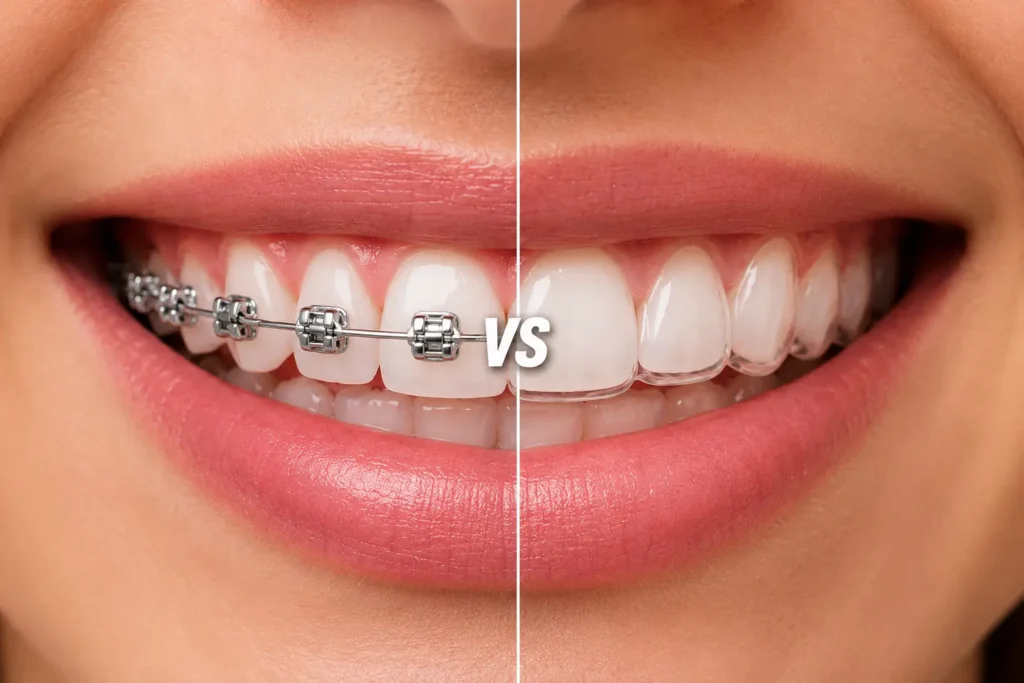
A straight, healthy smile not only enhances your appearance but also improves your oral health and confidence. If you’re considering orthodontic treatment, you’ve likely come across two popular options – clear aligners and traditional braces. Both are effective for correcting misaligned teeth, bite issues, and spacing problems, but they differ in terms of appearance, comfort, maintenance, and treatment experience.
So, how do you know which option is best for you?
In this comprehensive guide, we’ll compare aligners vs braces to help you make an informed decision based on your lifestyle, dental needs, and treatment goals.
What Are Clear Aligners?
Clear aligners are custom-made, transparent trays designed to gradually move your teeth into the desired position. They are removable, virtually invisible, and are replaced every few weeks as your teeth shift.
Aligners are a popular choice among adults and teenagers who want a discreet way to straighten their teeth without the appearance of metal braces.
What Are Traditional Braces?
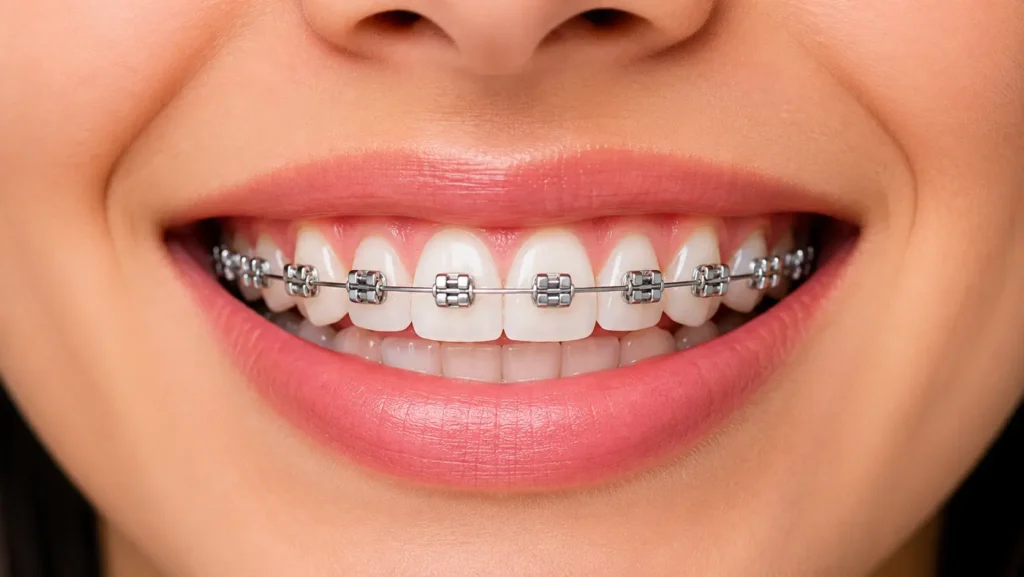
Traditional braces use metal or ceramic brackets attached to the teeth and connected by wires. These components apply continuous pressure to gradually move the teeth into proper alignment.
Braces have been used successfully for decades and are highly effective in treating both simple and complex orthodontic problems.
Aligners vs Braces: Key Differences
| Feature | Clear Aligners | Traditional Braces |
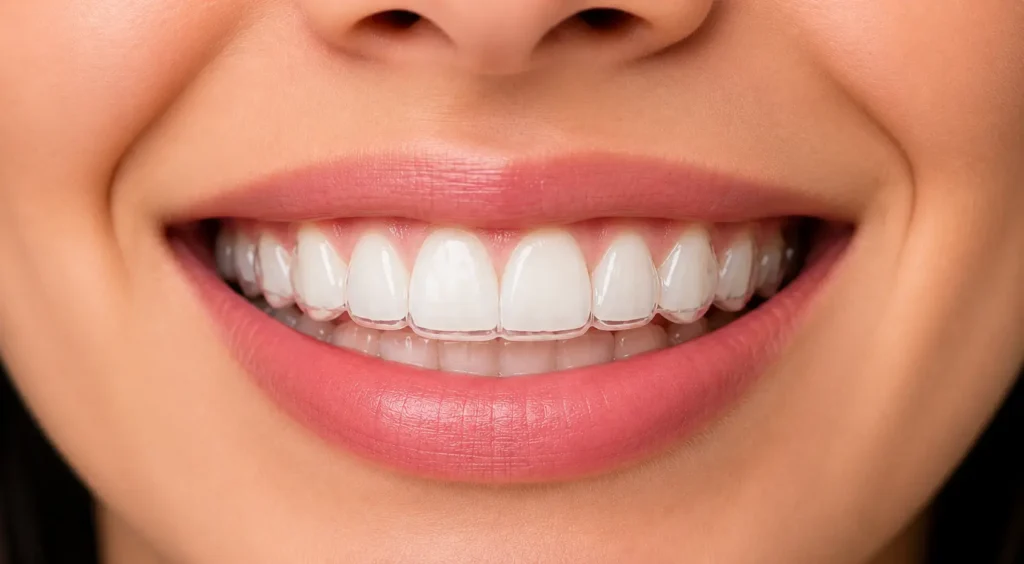
| Appearance | Nearly invisible | Metal or ceramic brackets are visible |
| Comfort | Smooth plastic trays | Brackets and wires may cause irritation initially |
| Removability | Can be removed while eating and brushing | Fixed to the teeth until treatment is complete |
| Oral Hygiene | Easier to brush and floss | Requires extra care around brackets and wires |
| Food Restrictions | No restrictions if aligners are removed | Avoid sticky, hard, and chewy foods |
| Dental Visits | Fewer follow-up appointments | Regular adjustment visits required |
| Treatment Time | Often 6–18 months (depending on the case) | Usually 12–24 months or longer |
| Best For | Mild to moderate alignment issues | Mild to severe orthodontic cases |
Benefits of Clear Aligners
Clear aligners offer several advantages, including:
- Virtually invisible appearance
- Comfortable to wear
- Removable for eating and brushing
- Easy to maintain oral hygiene
- No dietary restrictions
- Fewer dental appointments
- Reduced risk of mouth irritation
- Ideal for professionals and adults seeking a discreet treatment
Benefits of Traditional Braces
Braces remain one of the most effective orthodontic treatments because they:
- Correct complex bite and alignment issues
- Work continuously since they cannot be removed
- Are suitable for patients of all ages
- Provide precise tooth movement
- Can address severe crowding and spacing problems
- Offer long-lasting, predictable results
Who Is a Good Candidate for Clear Aligners?
Clear aligners are suitable for individuals with:
- Mild to moderate crowding
- Small gaps between teeth
- Minor bite problems
- Crooked teeth
- Relapse after previous orthodontic treatment
However, successful treatment depends on wearing the aligners for 20–22 hours every day.
Who Is a Good Candidate for Braces?
Traditional braces are recommended for patients with:
- Severe crowding
- Complex bite issues
- Rotated teeth
- Significant spacing problems
- Jaw alignment concerns
- Younger patients who may struggle to wear removable aligners consistently
Treatment Duration
The duration of orthodontic treatment depends on the complexity of the case.
Clear Aligners:
- Typically 6–18 months
- Mild cases may finish sooner
- Requires consistent wear for optimal results
Traditional Braces:
- Usually 12–24 months
- Complex cases may take longer
Your orthodontist will recommend the most appropriate treatment timeline after evaluating your teeth.
Comfort: Which Option Feels Better?
Most patients find clear aligners more comfortable because they have smooth edges and no metal components.
Braces may cause temporary discomfort after placement or adjustments, and brackets can sometimes irritate the inside of the cheeks or lips until you adjust.
Which Option Is Easier to Maintain?
Clear Aligners
Maintaining aligners is simple:
- Remove them before meals
- Brush and floss normally
- Clean aligners daily
- Wear them for the recommended duration
Traditional Braces
Braces require additional care:
- Brush carefully around brackets
- Use floss threaders or interdental brushes
- Avoid sticky and hard foods
- Attend regular adjustment appointments
Good oral hygiene is essential to prevent cavities and gum problems during treatment.
Cost of Aligners vs Braces
The cost varies depending on:
- Complexity of the case
- Duration of treatment
- Type of aligners or braces
- Clinic location
- Experience of the orthodontist
Rather than choosing based on cost alone, it’s important to consider which treatment best suits your dental condition and lifestyle.
Common Myths About Aligners and Braces
Myth 1: Aligners work faster than braces.
Fact: Treatment time depends on the complexity of your case and how well you follow your orthodontist’s instructions.
Myth 2: Braces are only for children.
Fact: Adults can successfully undergo orthodontic treatment with braces or aligners.
Myth 3: Aligners are painful.
Fact: Mild pressure is normal when changing to a new set of aligners, but significant pain is uncommon.
Myth 4: Braces always look unattractive.
Fact: Modern ceramic braces are less noticeable and offer a more aesthetic option than traditional metal braces.
Tips for Successful Orthodontic Treatment
- Follow your dentist’s instructions carefully
- Maintain excellent oral hygiene
- Attend all scheduled appointments
- Avoid damaging your braces
- Wear aligners for the recommended number of hours
- Wear retainers after treatment to maintain your results
When Should You Visit an Orthodontist?
Consider scheduling a consultation if you have:
- Crooked teeth
- Gaps between teeth
- Crowded teeth
- Difficulty chewing
- Jaw pain caused by bite problems
- Overbite, underbite, or crossbite
- Shifting teeth after previous orthodontic treatment
Early evaluation can help determine the most effective treatment plan.
Why Choose MegaDent Advanced Dental Care, Kondapur?
At MegaDent Advanced Dental Care, Kondapur, we believe every patient deserves a confident and healthy smile. Our experienced orthodontic team offers personalized treatment plans using advanced orthodontic solutions, including clear aligners and traditional braces. We carefully evaluate your dental condition, explain every treatment option, and recommend the most suitable approach based on your needs, lifestyle, and smile goals. With modern technology, patient-focused care, and a commitment to excellent results, we help you achieve a beautifully aligned smile in a comfortable and supportive environment.
Conclusion
Choosing between clear aligners and traditional braces depends on your dental condition, lifestyle, aesthetic preferences, and treatment goals. Both options are highly effective when planned and monitored by an experienced orthodontist. While aligners offer a nearly invisible and removable solution for many patients, braces remain the gold standard for correcting more complex orthodontic issues. The key is to choose the treatment that best fits your individual needs rather than focusing solely on appearance or convenience.
Frequently Asked Questions (FAQs)
1. Which is better: aligners or braces?
Both are effective. Aligners are ideal for mild to moderate cases and patients seeking a discreet option, while braces are often recommended for more complex orthodontic issues.
2. Are clear aligners as effective as braces?
Yes, for many mild to moderate orthodontic cases. Severe cases may require braces for the best results.
3. How many hours should I wear aligners each day?
Clear aligners should be worn for 20–22 hours daily for effective treatment.
4. Do braces work faster than aligners?
Treatment duration depends on the complexity of the case rather than the type of treatment.
5. Can adults get braces?
Yes. Orthodontic treatment is suitable for adults of all ages.
6. Can I eat with clear aligners?
No. Remove your aligners before eating or drinking anything other than water.
7. Do braces hurt?
You may experience mild discomfort after placement or adjustments, but it usually subsides within a few days.
8. How often do I need to visit the dentist during treatment?
Braces typically require monthly adjustments, while aligner patients usually have fewer follow-up visits.
9. Will I need a retainer after treatment?
Yes. Retainers help maintain your new smile and prevent teeth from shifting.
10. How do I know which treatment is right for me?
The best way to decide is through a professional orthodontic consultation. Your dentist will assess your teeth, bite, and treatment goals before recommending the most suitable option.