

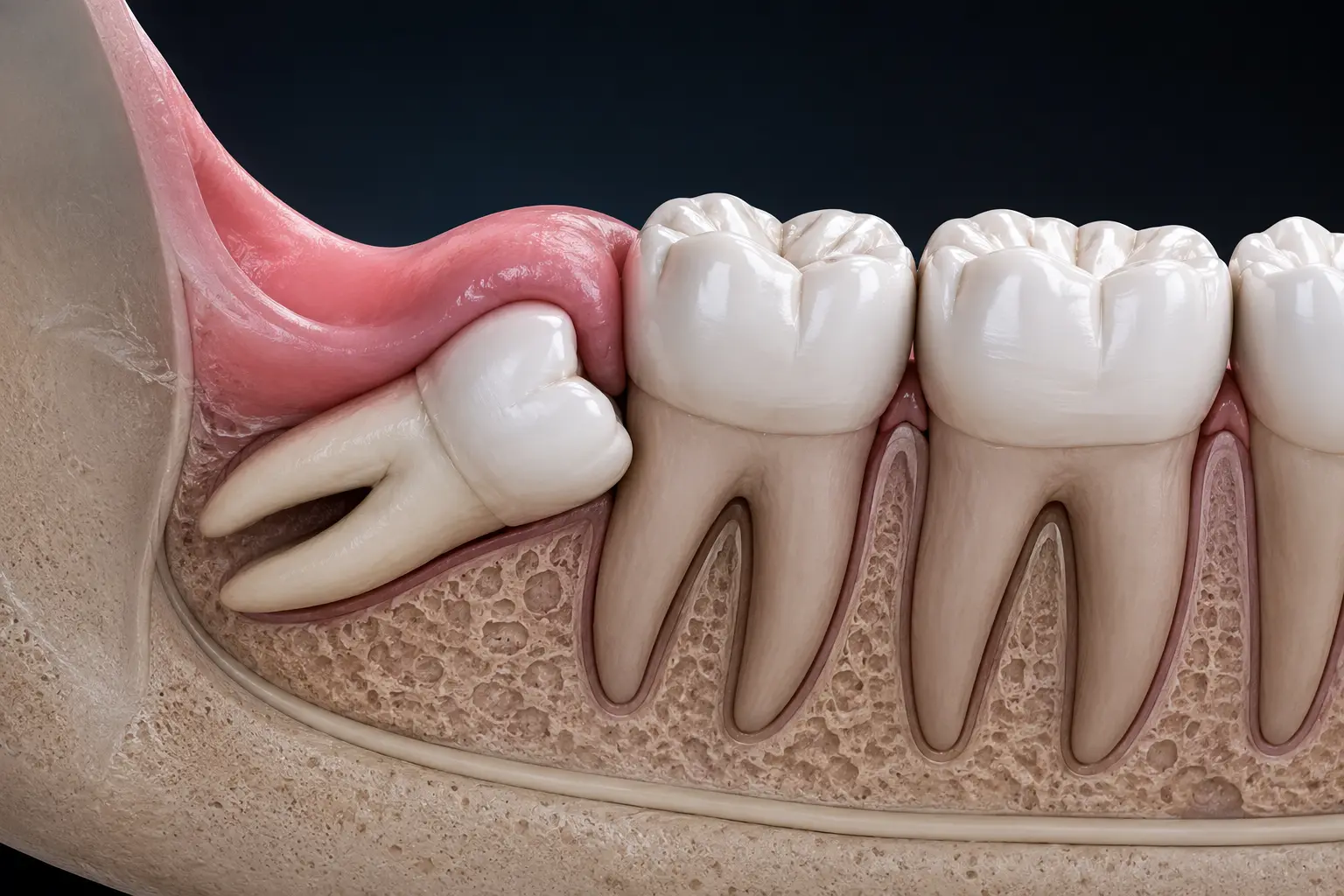
Wisdom teeth are the last set of molars to develop, usually appearing between the ages of 17 and 25. While some people have enough space for these teeth to grow normally, many experience problems due to impacted or misaligned wisdom teeth. This can lead to pain, swelling, infection, and damage to nearby teeth. Wisdom tooth extraction is a common dental procedure that helps prevent these complications and protects your overall oral health.
In this blog, we’ll cover everything you need to know about wisdom tooth extraction, including its causes, symptoms, procedure, recovery, and prevention tips.
What is a Wisdom Tooth?
Wisdom teeth are the third molars located at the back of your mouth. Most people have four wisdom teeth – one in each corner of the mouth. They are the last permanent teeth to erupt and often don’t have enough space to grow properly, leading to dental problems.
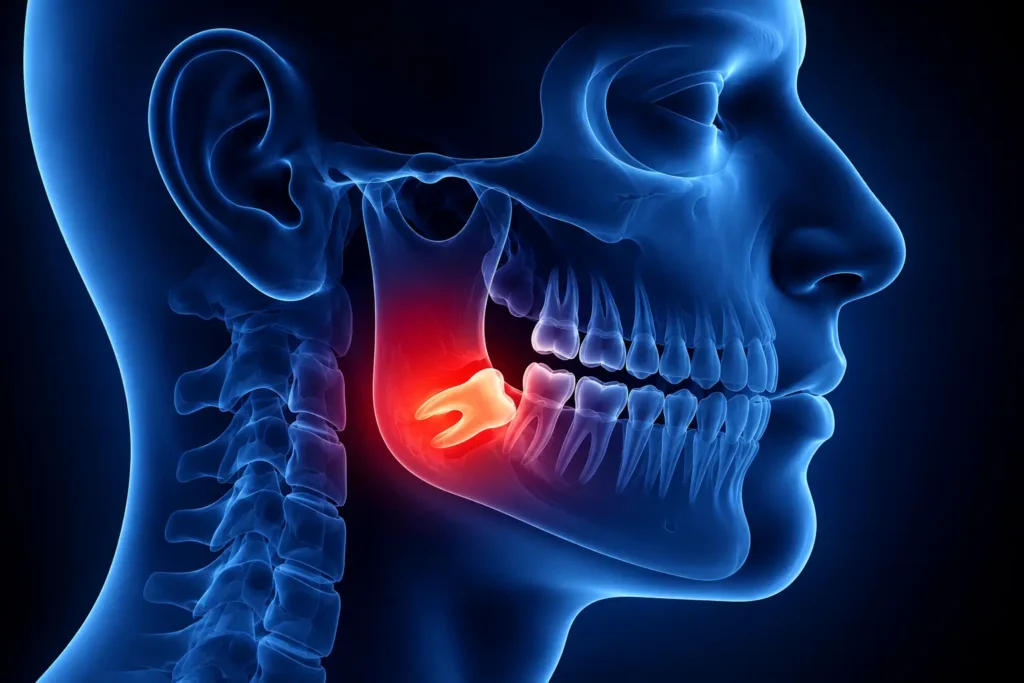
Why Do Wisdom Teeth Need to Be Removed?
Not all wisdom teeth require extraction. However, removal is recommended when they cause pain, infection, or other oral health issues.
Common reasons include:
- Impacted wisdom teeth
- Severe tooth pain
- Swollen or infected gums
- Tooth decay
- Damage to neighboring teeth
- Crowding of teeth
- Cysts or jawbone damage
- Difficulty cleaning partially erupted wisdom teeth
Signs You May Need a Wisdom Tooth Extraction
Watch for these common symptoms:
- Persistent pain at the back of the mouth
- Swollen or bleeding gums
- Jaw pain or stiffness
- Difficulty opening your mouth
- Bad breath
- Unpleasant taste in the mouth
- Swelling around the jaw
- Frequent gum infections
- Food getting trapped behind the wisdom tooth
If you notice any of these symptoms, it’s important to visit your dentist for an evaluation.
Types of Wisdom Tooth Impaction
1. Vertical Impaction
The tooth grows upright but remains trapped beneath the gum or bone.
2. Horizontal Impaction
The tooth grows sideways, pressing against the neighbouring tooth.
3. Mesial Impaction
The tooth is angled toward the front of the mouth, which is the most common type.
4. Distal Impaction
The tooth is angled toward the back of the mouth and is less common.
Causes of Wisdom Tooth Problems
Several factors can contribute to wisdom tooth issues:
- Lack of space in the jaw
- Abnormal tooth position
- Genetics
- Delayed eruption
- Poor oral hygiene
- Gum infections
- Tooth decay
How is Wisdom Tooth Extraction Performed?
The procedure usually involves the following steps:
1. Dental Examination
Your dentist examines your teeth and may recommend digital X-rays or a CBCT scan to assess the position of the wisdom tooth.
2. Local Anaesthesia
The area around the tooth is numbed to ensure a comfortable procedure.
3. Tooth Removal
If the tooth is impacted, a small incision may be made in the gum, and the tooth may be removed in sections for easier extraction.
4. Cleaning the Area
The extraction site is cleaned to reduce the risk of infection.
5. Stitches (If Needed)
Sutures may be placed to help the gums heal properly.
The procedure typically takes 20–60 minutes, depending on the complexity of the extraction.
What to Expect After Wisdom Tooth Extraction
It is normal to experience:
- Mild pain
- Swelling
- Slight bleeding
- Jaw stiffness
- Difficulty chewing for a few days
These symptoms usually improve within a week with proper care.
Recovery Tips After Wisdom Tooth Extraction
For a smooth recovery:
- Bite gently on the gauze as instructed.
- Apply an ice pack to reduce swelling.
- Take prescribed medications on time.
- Eat soft foods such as yogurt, soup, mashed potatoes, and smoothies.
- Drink plenty of water.
- Avoid smoking and alcohol.
- Do not use a straw for the first 24–48 hours.
- Avoid strenuous activities for a few days.
- Brush gently, avoiding the extraction site.
- Rinse with warm salt water after 24 hours if advised by your dentist.
Foods to Eat After Wisdom Tooth Removal
Choose soft and nutritious foods like:
- Yogurt
- Mashed potatoes
- Smoothies
- Oatmeal
- Scrambled eggs
- Soup
- Soft rice
- Applesauce
- Ice cream (in moderation)
Avoid hard, spicy, crunchy, and sticky foods until the area heals.
Possible Risks if Wisdom Teeth Are Not Removed
Ignoring problematic wisdom teeth may lead to:
- Severe tooth pain
- Gum infection
- Tooth decay
- Damage to adjacent teeth
- Cysts
- Jawbone damage
- Crowded teeth
- Difficulty maintaining oral hygiene
Early treatment helps prevent these complications.
Benefits of Wisdom Tooth Extraction
- Relieves pain and discomfort
- Prevents infection
- Protects neighbouring teeth
- Reduces the risk of cavities
- Prevents gum disease
- Improves oral hygiene
- Prevents jaw complications
- Supports long-term dental health
When Should You See a Dentist?
Schedule a dental visit if you experience:
- Persistent pain near the wisdom tooth
- Swelling of the gums or face
- Difficulty opening your mouth
- Fever or pus around the tooth
- Bad breath that doesn’t improve
- Pain while chewing
- Bleeding gums around the wisdom tooth
Prompt treatment can prevent more serious complications.
Why Choose MegaDent Advanced Dental Care, Kondapur?
At MegaDent Advanced Dental Care, Kondapur, we provide safe, comfortable, and advanced wisdom tooth extraction using modern diagnostic technology and gentle treatment techniques. Our experienced dental team carefully evaluates each case and creates a personalized treatment plan to ensure minimal discomfort and faster healing. Whether your wisdom tooth is impacted, infected, or causing pain, we are committed to delivering high-quality dental care in a comfortable environment. Your safety, comfort, and long-term oral health are always our top priorities.
Conclusion
Wisdom tooth extraction is a safe and effective procedure that helps prevent pain, infection, and long-term dental complications. While not every wisdom tooth needs to be removed, impacted or problematic teeth should be treated early to protect your oral health. If you’re experiencing pain, swelling, or discomfort around your wisdom teeth, don’t delay seeking professional care. At MegaDent Advanced Dental Care, Kondapur, our experienced team offers advanced diagnosis, gentle wisdom tooth extraction, and personalized aftercare to ensure a smooth recovery and a healthier smile.
Frequently Asked Questions (FAQs)
1. Is wisdom tooth extraction painful?
No. The procedure is performed under local anesthesia, so you won’t feel pain during the extraction. Mild discomfort afterward is normal and manageable with medication.
2. How long does recovery take?
Most patients recover within 7–10 days, although complete healing of the extraction site may take a few weeks.
3. Can I eat after wisdom tooth removal?
Yes. Start with soft foods and avoid hard or crunchy foods until your dentist advises otherwise.
4. When can I return to work or school?
Many people return within 1–3 days, depending on the complexity of the extraction and their recovery.
5. What happens if an impacted wisdom tooth is not removed?
It can cause pain, infection, tooth decay, gum disease, damage to nearby teeth, and cyst formation.
6. Can all four wisdom teeth be removed at once?
Yes. If recommended by your dentist, all four wisdom teeth can often be extracted during a single appointment.
7. Is swelling normal after extraction?
Yes. Swelling usually peaks within 48 hours and gradually subsides over the next few days.
8. How can I reduce swelling?
Use an ice pack for the first 24 hours, follow your dentist’s instructions, and take prescribed medications.
9. Can I brush my teeth after surgery?
Yes, but avoid the extraction area for the first day and brush gently.
10. At what age should wisdom teeth be evaluated?
Dentists generally recommend evaluating wisdom teeth between the ages of 17 and 25, even if they are not causing symptoms.